Hunter Ceiling Fans

  • Home
  • Hunter Manuals
  • Hunter Fan Parts
    • Hunter Ceiling Fan Remotes
    • Hunter Ceiling Fan Light Kits
    • Hunter Ceiling Fan Blade Arms
    • Hunter Ceiling Fan Blades
    • Hunter Ceiling Fan Downrods
    • Hunter Ceiling Fan Pull Chains
    • Hunter Ceiling Fan Wall Controls
    • Hunter Ceiling Fans Replacement Globes
  • Hunter Support
  • Hunter Commercial Ceiling Fans

Hunter Fan Remote 85095 Pairing

April 30, 2025 by admin Leave a Comment

If you’re experiencing issues with your Hunter ceiling fan remote 85095, or need to install it for the first time, this guide provides a detailed, step-by-step approach to pairing the remote with your Hunter ceiling fan. In addition, we’ll cover how to configure the jumpers on both the remote and the receiver, troubleshooting tips for common issues, and how to set up the remote holder for convenience.

1. Introduction to Hunter Fan Remote 85095
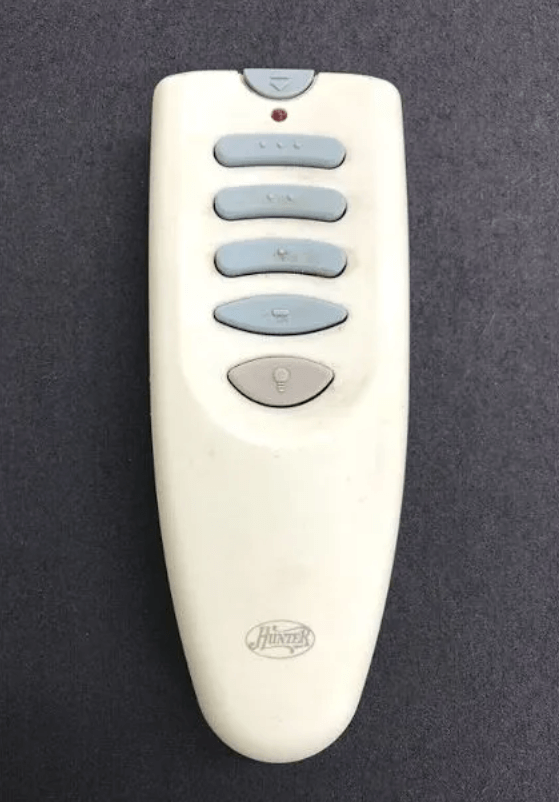
Hunter 85095 Ceiling Fan Remote Control

The Hunter 85095 remote control is designed to work with a variety of Hunter ceiling fans, providing speed control, light dimming, and fan direction options. When setting up the Hunter 85095 remote, you’ll need to pair it with the fan receiver and ensure the settings are correctly configured. If multiple fans are installed nearby, proper configuration of the code settings is essential to avoid interference.

In this guide, we’ll explain how to pair the Hunter 85095 remote, configure the code settings using jumpers, and troubleshoot common issues.

2. Preparing for Installation

Before starting, it’s essential to prepare both the remote and the fan for pairing. Here’s a list of what you’ll need:

Tools Required:

  • Step Ladder: To safely reach the ceiling fan.
  • Small Pliers or Tweezers: For adjusting jumpers on the transmitter and receiver.
  • Phillips-head Screwdriver: For removing and securing fan components, like the canopy or mounting bracket.

Safety Precautions:

  • Turn off power at the circuit breaker to avoid electrical hazards.
  • Wear gloves and safety glasses when handling electrical components.
  • Ensure you are working in a dry environment and the area around the fan is clear of any obstructions.

3. Understanding the Hunter 85095 Remote and Its Components

The Hunter 85095 remote includes the following key features:

  • Multi-speed control: Adjust the fan speed (low, medium, high).
  • Light control: Dim or brighten the fan light.
  • Reverse control: Change the fan direction for summer or winter operation.

Additionally, the remote uses jumpers to assign unique codes between the transmitter and receiver, ensuring there is no interference from other nearby fans.

Components:

  • Transmitter (Remote): Operates at 350 MHz.
  • Receiver: Installed within the fan canopy.
  • Battery: Requires a 12V, Type 23A battery.

4. Configuring the Code Settings for the Hunter 85095 Remote

One of the key steps when installing or replacing the Hunter 85095 remote is configuring the code settings to avoid interference between multiple fans. The jumpers in the transmitter and receiver need to be set to the same configuration.

Step 1: Accessing the Jumpers

  • Transmitter (Remote): Open the battery compartment to access the three jumper switches inside.
  • Receiver: The receiver is located in the fan’s switch housing. You may need to remove the receiver from the housing to access the jumper switches.

Step 2: Adjusting the Jumpers

  • Using Small Pliers or Tweezers: Gently move the jumpers in both the transmitter and receiver to set the same code.
    • Example Configuration: Both the transmitter and receiver should have their jumpers aligned (e.g., in the same “ON” or “OFF” position for each switch).
  • Visual Guides: Refer to Figures 1 and 2 (included in the remote’s manual) to get a clear understanding of jumper positions.

Step 3: Reassembling the Receiver

  • Receiver Placement: Once the jumpers are set, carefully replace the receiver inside the switch housing. Ensure that the mounting holes align with the receiver slots to prevent any misalignment.
  • Secure with Screws: Tighten the screws to secure the receiver in place, ensuring the fan is correctly connected.

5. Pairing the Remote with the Receiver

Now that the jumpers are set, you can begin the pairing process.

Step 1: Turn the Power On

  • Restore the power to your fan by turning on the circuit breaker.

Step 2: Activate Pairing Mode

  • Press and hold the pairing button on the remote for about 3-5 seconds until you hear a beep or the fan light blinks to indicate successful pairing.

Step 3: Test the Remote

  • Test the remote by adjusting the fan speed, light brightness, and fan direction. If the fan responds correctly, the pairing was successful.

6. Troubleshooting Common Pairing Issues

If the Hunter 85095 remote isn’t working properly, try these troubleshooting tips:

1. No Response from the Fan

  • Check the battery: Replace the 12V 23A battery with a fresh one if it’s weak.
  • Verify the Jumper Switch Settings: Ensure the transmitter and receiver have matching jumper switch settings.

2. Intermittent Operation

  • RF Interference: Other electronic devices may interfere with the signal. Try moving the fan away from other electronics or turning off any devices that may cause interference.

3. Fan Light Not Working

  • Ensure that the light bulb is properly installed and functional.
  • Check the wiring to ensure the receiver is correctly connected to the light kit.

7. Installing the Hunter 85095 Remote Holder

The Hunter 85095 remote comes with a remote holder that allows you to attach it to an existing toggle switch wall plate or mount it on a wall. This ensures the remote is always accessible and prevents misplacement.

  • Step 1: Attach the remote holder to the wall plate or mount on the wall.
  • Step 2: Place the remote into the holder for easy access.

8. Conclusion

The Hunter 85095 remote is a powerful tool for controlling your Hunter ceiling fan and light. By following the pairing instructions, configuring the jumper settings correctly, and troubleshooting any issues, you can ensure smooth operation and optimal performance of your fan. For easy access, consider using the remote holder to keep your remote in a convenient location.

If you encounter any issues that cannot be resolved through these steps, consider reaching out to Hunter ceiling fans customer service for further assistance.

Filed Under: Hunter Ceiling Fan Support

How to Install a Hunter Ceiling Fan Remote Control: A Step-by-Step Guide

April 25, 2025 by admin 2 Comments

If you’ve recently purchased a Hunter ceiling fan and want to enjoy the convenience of remote control operation, this guide is for you! Installing a Hunter ceiling fan remote control allows you to easily adjust the fan’s speed, direction, and lighting from the comfort of your seat. Whether you’re upgrading from a manual pull-chain fan or need to replace a malfunctioning remote, this guide will take you through the installation process step-by-step.

This article covers how to install the Hunter ceiling fan remote, including pairing it with the fan’s receiver, troubleshooting common issues, and tips for making sure everything works perfectly.

1. Tools and Safety Precautions

Before you begin the installation, it’s important to gather the necessary tools and follow safety guidelines to ensure a smooth installation process.

Essential Tools:

  • Step Ladder: If your Hunter ceiling fan is installed at a high ceiling, a ladder will be necessary for easy access.
  • Screwdrivers (Phillips and flathead): You will need these to remove the fan’s canopy and mounting bracket.
  • Plastic Pry Tool: If the fan has any clips securing the trim ring or other parts, this tool helps remove them without causing damage.
  • Voltage Tester (optional): This is to ensure the fan is completely powered off before starting the installation.
  • Pliers (optional): To help with wiring connections.

Safety Precautions:

  • Turn off the power at the wall switch or circuit breaker to avoid electrical hazards during installation.
  • Wear gloves to protect your hands from sharp edges when working with wires or fan components.
  • Wear safety glasses to prevent debris from getting into your eyes when working with the fan motor or other parts.

2. Preparing for Installation

Before you start, ensure you have the necessary equipment and you’ve followed all safety precautions.

Turn Off the Power

Ensure that the power is turned off at the wall switch or circuit breaker to avoid electric shocks or injury while installing the remote control.

Remove Fan Blades and Light Kit (if applicable)

  • If your Hunter ceiling fan has fan blades or a light kit, you may need to remove them temporarily to give you better access to the fan motor and mounting bracket. This step helps reduce the fan’s weight, making it easier to handle and install the remote control.

Locate the Receiver

The Hunter ceiling fan remote control works by connecting a receiver to the fan motor. This receiver is typically located inside the canopy of the fan. If your fan is already installed, remove the canopy to expose the receiver and wiring.

3. Step-by-Step Guide: How to Install the Hunter Ceiling Fan Remote Control

Now that you’re prepared, follow these steps to install the Hunter ceiling fan remote control.

Step 1: Remove the Fan Canopy

  • Using a screwdriver, unscrew the fan canopy from the ceiling. This will give you access to the fan’s wiring and motor.
  • Carefully set the canopy aside, ensuring you don’t damage any wiring or components.

Step 2: Install the New Receiver

  • Take the new receiver that came with the Hunter ceiling fan remote and connect it to the wiring of the fan motor.
  • The receiver should have three wires: one for live (hot), one for neutral, and one for ground. Refer to the remote control’s manual for color-coded wiring instructions.
  • Make sure the connections are secure by tightening the wire nuts. If your fan uses Dip switches for setting the frequency, make sure they match the settings provided with the remote.

Step 3: Secure the Receiver

  • Place the receiver inside the fan canopy. Ensure the receiver is tucked neatly and securely so that it doesn’t interfere with any fan components.
  • After that, reassemble the canopy and screw it back in place.

Step 4: Insert the Battery into the Remote Control

  • The Hunter ceiling fan remote requires a 12V 23A battery for power. Insert the battery into the remote control.
  • Make sure the battery is installed correctly (with the positive side facing up or as indicated).

Step 5: Pair the Remote with the Receiver

  • To pair the remote with the fan receiver, you typically need to press and hold the pairing button on the remote for a few seconds.
  • You will usually hear a beep or see the light blink to confirm the remote has successfully paired with the receiver.
  • If the pairing doesn’t work, check the wiring and try again. Ensure that the Dip switches on the receiver and remote are correctly aligned.

4. Troubleshooting Common Installation Issues

If your Hunter ceiling fan remote control isn’t working as expected, here are some troubleshooting steps:

1. Remote Not Pairing with the Receiver

  • Double-check the Dip switch settings on both the remote and receiver to make sure they match.
  • Ensure that power is restored to the fan, and the battery in the remote is new and properly installed.

2. Fan Not Responding to Remote Commands

  • Verify that the receiver is properly wired and securely connected to the fan motor.
  • Check if the battery in the remote is working and is properly installed.

3. Fan Light Not Responding

  • Make sure the light bulb is properly installed and functional. If using a dimming feature, ensure the light bulb is dimmable.
  • Check the light connections and ensure the receiver is properly controlling the light.

If the troubleshooting steps don’t resolve the issue, consult the Hunter Fan Manual for further help or consider contacting customer service.

5. Conclusion

Installing your Hunter ceiling fan remote control allows you to enjoy enhanced convenience, control, and comfort right from your smartphone or remote. The installation process is straightforward, involving only a few steps to ensure your fan is properly connected and ready for use. Remember to follow the steps carefully, test your remote after installation, and troubleshoot any issues using the tips provided above.

For more information on replacement parts or other Hunter fan models, feel free to explore our Hunter Ceiling Fan Replacement Parts guide.

Filed Under: Hunter Ceiling Fan Support

Hunter Ceiling Fan Remote App – A Guide for Hunter Fan Remote App Users

April 21, 2025 by admin Leave a Comment

In today’s fast-paced, tech-driven world, even ceiling fans are becoming smarter! The Hunter Ceiling Fan Remote App is a modern solution for controlling your Hunter ceiling fan with just a tap on your smartphone or tablet. Whether you’re looking to adjust the fan speed, change the lighting, or set up a timer, this smart app provides convenience, efficiency, and comfort at your fingertips.

In this comprehensive guide, we’ll dive deep into the features, installation process, benefits, and troubleshooting tips for the Hunter Fan Remote App. Whether you’re new to smart home technology or just looking to get the most out of your Hunter ceiling fan, this article will provide all the information you need.

smart bond

1. Features of the Hunter Ceiling Fan Remote App

The Hunter Fan Remote App is packed with features designed to improve your overall fan control experience. Below are some of the standout features that make it a valuable addition to your home.

Contemporary Design and Compatibility

  • The Hunter Ceiling Fan Remote App works seamlessly with most Hunter ceiling fans, especially the smart-enabled models that are compatible with Wi-Fi connectivity. This allows you to control your fan from your smartphone, whether you’re in the room or anywhere else in your home.

Fan Speed Control

  • The app allows you to adjust the fan speed with ease. Whether you need a gentle breeze for a cozy evening or maximum airflow during the summer, the three-speed control provides optimal comfort at the touch of a button.

Light Control

  • Adjust the light brightness with the app, whether you want a dim ambiance for a movie night or bright lighting for reading or cleaning. The dimmable feature gives you full control over the light intensity to suit your mood and needs.

Fan Direction Control

  • The Hunter Fan Remote App lets you reverse the fan direction with a simple tap, allowing you to enjoy cooling breezes in summer (downdraft) or warm air circulation in winter (updraft). This feature is perfect for improving year-round comfort and energy efficiency.

Voice Control Integration

  • Alexa and Google Assistant integration allow you to control the Hunter fan and lights using just your voice. This hands-free feature makes it easy to change settings without having to touch your phone or the fan itself.

Scheduling and Timer Functionality

  • Set timers or schedule your Hunter ceiling fan to automatically turn on or off at specific times, creating a customized home environment without any manual effort.

2. How to Install and Set Up the Hunter Ceiling Fan Remote App

Installing and setting up the Hunter Fan Remote App is simple and straightforward. Here’s a step-by-step guide to help you get started.

Step 1: Download the App

  • Go to the App Store (for iPhone) or Google Play (for Android devices).
  • Search for Hunter Fan Remote and download the app to your smartphone or tablet.

Step 2: Create an Account

  • Open the app and create an account to begin syncing with your Hunter ceiling fan.
  • You’ll need to enter a few basic details, such as your name and email address, to complete the setup.

Step 3: Connect Your Fan

  • Ensure your Hunter ceiling fan is powered on and within range of your Wi-Fi network.
  • Follow the on-screen instructions in the app to pair your fan with the app. This typically involves connecting the fan to your Wi-Fi network.

Step 4: Customize Your Settings

  • Once connected, you can name your fan, assign it a room (e.g., living room, bedroom), and customize your fan speed and light settings.

Step 5: Enjoy Remote Control

  • You can now use the Hunter Fan Remote App to control the fan speed, light dimming, and fan direction from anywhere in your home.

If you encounter any issues while setting up, make sure your Wi-Fi connection is stable and that the fan is properly connected to the network.

3. How to Use the Hunter Fan Remote App

Once the app is installed and your fan is connected, you can start using it for everyday control of your ceiling fan. Here’s how you can maximize the app’s functionality:

Fan Speed Control

  • Open the Hunter Fan Remote App and select your ceiling fan. From here, you can adjust the fan speed to low, medium, or high, depending on your comfort level.

Light Adjustment

  • Tap the light icon to adjust the brightness of your fan light. You can dim the light or turn it off completely.

Reversing the Fan Direction

  • To change the fan direction, go to the settings tab in the app and select the reverse fan option. This helps to optimize air circulation in both summer and winter.

Scheduling

  • Schedule your Hunter fan to turn on or off at a specific time. Set a timer to ensure the fan shuts off automatically after a certain number of hours.

Voice Control Integration

  • To control the fan with your voice, link the app to your Alexa or Google Assistant. Once linked, simply say commands like:
    • “Alexa, turn on the fan”
    • “Google, dim the fan light”

If you’re interested in even more advanced smart fan features, the Hunter SimpleConnect Smart Ceiling Fans also offer integration with the Hunter Fan Remote App, allowing you to connect your ceiling fan directly to Wi-Fi for ultimate control. You can read more about Hunter SimpleConnect in our Hunter SimpleConnect Smart Ceiling Fans for detailed instructions on how to use all the smart features with your fan.

4. Troubleshooting Common Issues with the Hunter Fan Remote App

While the Hunter Fan Remote App is generally reliable, you may encounter some issues. Here’s how to troubleshoot common problems:

1. App Not Connecting to the Fan

  • Ensure your fan is powered on and within range of your Wi-Fi network.
  • Check that your Wi-Fi signal is strong and that your phone is connected to the same network.
  • If necessary, reset the app connection or follow the pairing process again.

2. Fan Not Responding to Commands

  • If the fan isn’t responding to the app, check the battery in the remote or make sure the fan is properly paired with the app.
  • Ensure that the fan’s receiver is functioning and that it is receiving commands from the app.

3. Light Control Not Working

  • Verify that the light bulbs are properly installed and compatible with the fan.
  • Check the dimming feature to make sure it’s not stuck at a specific brightness setting.

5. Conclusion

The Hunter Ceiling Fan Remote App provides an easy and convenient way to control your Hunter ceiling fan from anywhere in your home. With fan speed control, light dimming, scheduling, and voice command integration, the app enhances your home’s comfort and convenience. Whether you’re upgrading to a smart fan or looking for an easier way to manage your existing ceiling fan, the Hunter Fan Remote App offers all the features you need. For more information on Hunter ceiling fan parts or to purchase your Hunter fan, check out the Hunter Fan Remote App-Compatible Fans on Amazon.

Filed Under: Hunter Ceiling Fan Support

Hunter vs Hampton Bay Ceiling Fans – What You Need to Know

April 15, 2025 by admin Leave a Comment

When it comes to choosing a ceiling fan, the decision can often feel overwhelming due to the numerous options available. Two of the most popular and widely recognized brands in the ceiling fan market are Hunter and Hampton Bay. Both have a long history of producing high-quality fans that cater to a wide range of budgets, home styles, and preferences. However, with such variety, it’s important to know which brand fits your specific needs—whether you’re seeking energy efficiency, whisper-quiet operation, or modern aesthetics.

This guide is designed to provide a comprehensive comparison of Hunter vs Hampton Bay ceiling fans, helping you make an informed decision. By understanding the key differences and similarities between these two brands, you can select the perfect ceiling fan for your home, one that delivers optimal performance and matches your style preferences.

Why Should You Care About Hunter and Hampton Bay Ceiling Fans?

Choosing the right ceiling fan is more than just about aesthetics. It’s about ensuring comfort, efficiency, and longevity. The fan you choose should not only look good in your room but should also provide sufficient airflow to keep you cool during the summer and circulate warm air during the winter. Additionally, the noise level, energy consumption, and the motor’s lifespan are crucial factors that can impact both your comfort and electricity bills.

What Will You Learn in This Comparison?

In this article, we will dive deep into the core features, performance, cost-effectiveness, and customer experiences of both Hunter and Hampton Bay ceiling fans. You will gain insights into:

  • The design and aesthetics of each brand.
  • How their motors perform in terms of airflow and noise levels.
  • The energy efficiency of Hunter and Hampton Bay fans, and how each brand can help you save on energy bills.
  • An honest look at the warranties, durability, and after-sales support each brand provides.
  • Real user feedback to understand how each brand performs in real-world conditions.

By focusing on these important factors, this article aims to provide high-value content that aligns with the needs of homeowners, DIY enthusiasts, and anyone looking to purchase a ceiling fan. Our goal is to give you a clear, unbiased comparison to help you make the best choice for your home.

Why Trust This Guide?

Whether you’re a seasoned buyer of ceiling fans or just starting your research, this guide is crafted to help you find the best Hunter or Hampton Bay ceiling fan based on real-world needs and honest performance data.

Let’s begin our detailed comparison of these two leading ceiling fan brands!

2. What Makes a Ceiling Fan Great?

When selecting the right ceiling fan for your home, it’s crucial to look beyond the design and price tag. A high-quality ceiling fan should excel in several key areas, ensuring it not only adds style to your space but also delivers consistent performance and comfort. In this section, we will break down the essential features that define a great ceiling fan, helping you understand what to look for when comparing Hunter and Hampton Bay models.

1. Airflow Efficiency

  • The primary function of any ceiling fan is to circulate air effectively. Airflow efficiency, measured in CFM (Cubic Feet per Minute), is an important factor in ensuring that your fan delivers the optimal amount of air for your room size. A fan with higher CFM ratings provides better cooling in summer and helps redistribute warm air in winter, ensuring a comfortable climate year-round.
  • Hunter ceiling fans are known for their high-performance motors and SureSpeed® technology, which ensures optimized airflow. Hampton Bay, while more budget-friendly, also offers efficient airflow, but some models may not match the high-velocity performance of Hunter’s premium offerings.

2. Energy Efficiency

  • In today’s environmentally conscious world, energy efficiency is crucial. A good ceiling fan should help you cool your space without significantly raising your electricity bill. Many of Hunter’s models are ENERGY STAR® certified, meaning they use up to 64% less energy than non-certified fans, making them a cost-effective option in the long run.
  • Hampton Bay offers affordable options with energy-efficient motors, but their models generally don’t offer the same long-term savings as Hunter’s higher-end models, especially those with DC motors or LED light kits that draw less power.

3. Noise Level

  • A whisper-quiet fan is essential for comfort, especially in bedrooms, living rooms, or offices where quiet operation is important. The noise level of a ceiling fan is often determined by its motor technology and the quality of its components.
  • Hunter ceiling fans, particularly those with WhisperWind® motors, are designed for silent operation, making them perfect for spaces where noise disruption is a concern.
  • Hampton Bay, while offering quiet models, typically uses more traditional motor systems, which might produce slightly more noise at higher speeds compared to Hunter’s premium motors. However, some Hampton Bay models feature quiet performance as well, making them suitable for casual use.

4. Design and Aesthetics

  • The design of a ceiling fan is just as important as its performance, as it needs to blend seamlessly with your home decor. Whether your home features a modern design or a traditional style, the right fan can elevate the overall look of the room.
  • Hunter is known for offering a wide range of designs, from classic traditional fans to contemporary styles, with finishes such as brushed nickel, matte black, and antique brass. The brand is particularly popular for its premium and luxurious aesthetics, making it ideal for homeowners who want both style and function.
  • Hampton Bay offers an extensive variety of design options at more affordable price points. While their models are generally less ornate than Hunter’s premium models, they still provide an attractive range of finishes and designs that can suit modern and traditional spaces alike.

5. Durability and Warranty

  • A durable ceiling fan will provide consistent performance for years, making it a wise investment for your home. Ceiling fans with high-quality motors and materials typically last longer and require fewer repairs over time.
  • Hunter fans are built for longevity and come with limited lifetime warranties on the motor, which reflects the brand’s commitment to long-term reliability. The durable construction of Hunter fans makes them ideal for homeowners seeking an investment-worthy option.
  • Hampton Bay fans come with 1–5 year warranties, offering decent protection for their affordable price range. While they are generally reliable, some customers report wear-and-tear issues with certain models over time, especially with budget models that might use lighter materials.

6. Installation and Ease of Use

  • A ceiling fan’s ease of installation is another important consideration. A fan that is easy to install saves time and can be set up without a professional in many cases.
  • Hunter ceiling fans generally come with clear installation instructions and are easy to install, especially with models that come with downrods and standard mounting kits. Hunter’s 3D InterActive Guide helps users navigate the installation process with step-by-step visual instructions, making DIY installation even easier.
  • Hampton Bay fans are also designed for easy installation, and they often feature simplified mounting systems. Many of their models come with wall control or pull chain options, making it easier to adjust the fan settings.

When comparing Hunter vs Hampton Bay ceiling fans, it’s important to evaluate factors like airflow efficiency, energy efficiency, noise levels, design variety, and durability. Hunter fans tend to excel in premium features and long-term reliability, while Hampton Bay offers more affordable options with a wide variety of designs.

Choosing the right ceiling fan for your home depends on budget, style preferences, and performance needs. Whether you go with a premium Hunter model or a budget-friendly Hampton Bay option, understanding what makes a ceiling fan great will ensure you make a choice that brings comfort, style, and efficiency to your space.

3. Brand Overview: Hunter Ceiling Fans

hunter logo

Hunter Ceiling Fans are widely recognized for their premium quality, whisper-quiet performance, and innovative features. With over 135 years of experience in the ceiling fan industry, Hunter Fan Company has built a reputation for delivering fans that not only look great but also offer superior functionality. The brand has evolved over the years, consistently adapting to the latest technologies while maintaining a strong connection to its heritage of producing reliable and long-lasting fans.

1. History of Hunter Ceiling Fans

  • Hunter Fan Company was founded in 1886, and over the decades, it has become a household name in the ceiling fan industry. Their legacy of producing durable, efficient, and quiet ceiling fans has earned them a loyal customer base.
  • Hunter was one of the first companies to develop motorized ceiling fans, a breakthrough that changed the way people cooled their homes. Since then, they have led the charge in incorporating advanced technologies into their fans, from the WhisperWind® motor to the SureSpeed® Guarantee for optimized airflow.
  • Today, Hunter continues to be a trusted brand known for its commitment to quality, producing ceiling fans for every type of room, style, and environment.

2. Key Features of Hunter Ceiling Fans

  • WhisperWind® Motor: One of the standout features of Hunter fans is their WhisperWind® motor, designed for ultra-quiet operation even at high speeds. This motor ensures that you can enjoy a cool breeze without the annoying noise that often comes with ceiling fans.
  • SureSpeed® Technology: Hunter fans equipped with SureSpeed® technology guarantee maximum airflow and high-velocity performance, offering cooling efficiency that outperforms other ceiling fans. This technology ensures that the air circulates effectively across your space, keeping every corner of the room comfortable.
  • Energy Efficiency: Many Hunter fans are ENERGY STAR® certified, ensuring that they meet strict energy efficiency standards. Fans with DC motors or LED lighting provide excellent energy savings, reducing cooling costs without sacrificing performance.
  • Design Variety: Whether you’re looking for a modern, traditional, or transitional ceiling fan, Hunter has a fan style to match every décor. From the sleek, contemporary designs to the classic and vintage finishes, their fans are designed to suit any home style.
  • Durability and Warranty: With a limited lifetime motor warranty, Hunter ceiling fans are built to last. The brand’s commitment to quality craftsmanship ensures that their fans will stand the test of time, delivering years of reliable performance. Refer to our article on Hunter Ceiling fans warranty.

3. Popular Hunter Ceiling Fan Models

  • Hunter Dempsey Ceiling Fan: A sleek, modern fan that’s perfect for smaller to medium-sized rooms. The Hunter Dempsey combines whisper-quiet operation with energy-efficient LED lighting.
  • Hunter Cassius Ceiling Fan: Known for its large blade span and industrial design, the Cassius is ideal for larger spaces, offering powerful airflow while maintaining stylish aesthetics.
  • Hunter Signal Ceiling Fan: A smart ceiling fan with Wi-Fi integration, perfect for those who want to control their fan via smartphone apps or voice commands.
  • Hunter Coastal Ceiling Fan: Designed for outdoor spaces, the Hunter Coastal features weather-resistant blades and is perfect for damp or humid environments.

4. Why Choose Hunter Ceiling Fans?

  • Premium Build Quality: Hunter ceiling fans are known for their durability, and many models are built to last for years with minimal maintenance.
  • Quiet Operation: The WhisperWind® motor ensures that Hunter fans deliver silent performance, making them perfect for spaces where quietness is essential, such as bedrooms and offices.
  • Energy Savings: With ENERGY STAR® certification and efficient motor technology, Hunter fans help you keep cooling costs low while providing powerful airflow.
  • Versatility: Whether you need a fan for a small bedroom, a large living room, or an outdoor patio, Hunter offers a variety of sizes and styles to suit every need.

Hunter ceiling fans are a solid investment for those who prioritize performance, quality, and energy efficiency. With a history of innovation and reliability, they continue to set the standard in the ceiling fan industry. Whether you’re looking for a fan to complement your modern home or need a reliable option for your outdoor space, Hunter’s wide selection of models provides a perfect fit for any environment.

4. Brand Overview: Hampton Bay Ceiling Fans

hampton bay logo

Hampton Bay is a well-known brand under the umbrella of Home Depot, offering a wide range of affordable ceiling fans that provide functionality and style without breaking the bank. While Hunter tends to focus on premium models with advanced features, Hampton Bay has carved out a niche by delivering reliable, budget-friendly options for homeowners. With a variety of designs, sizes, and performance features, Hampton Bay ceiling fans offer something for everyone.

1. History of Hampton Bay Ceiling Fans

  • Hampton Bay was introduced by Home Depot in the 1990s, and quickly became one of the leading brands for affordable ceiling fans. The brand has grown rapidly, offering a diverse range of products, from basic fans to more feature-rich models with integrated lighting and advanced motor systems.
  • As a part of Home Depot’s private label, Hampton Bay fans are designed to be budget-friendly, targeting homeowners who want quality without the higher price tag of premium brands like Hunter.

2. Key Features of Hampton Bay Ceiling Fans

  • Affordable Price Point: One of the most attractive features of Hampton Bay ceiling fans is their affordability. These fans offer good value for money, making them an excellent choice for budget-conscious buyers.
  • Variety of Designs: Hampton Bay provides an extensive range of styles from traditional to modern, allowing homeowners to find the right fan to complement their home’s decor. Whether you’re looking for a rustic, contemporary, or coastal design, Hampton Bay has a model to fit your space.
  • Energy-Efficient Models: Many Hampton Bay ceiling fans are designed with energy efficiency in mind, incorporating features like DC motors, LED lights, and ENERGY STAR® certification, helping homeowners save on cooling costs.
  • Quiet Operation: While Hampton Bay fans are generally quiet, they may not offer the whisper-quiet operation of Hunter’s WhisperWind® motor. However, they still provide reliable and functional performance, especially for smaller rooms or areas where extreme quietness is not as critical.
  • Warranty: Hampton Bay ceiling fans come with 1–5 year warranties. Though shorter than Hunter’s lifetime motor warranties, these are still solid, and the backing from Home Depot’s customer service network makes returns and repairs relatively easy.

3. Popular Hampton Bay Ceiling Fan Models

  • Hampton Bay Altura Ceiling Fan: A popular modern fan that offers sleek blades and integrated LED lighting. It’s perfect for contemporary spaces and larger rooms, providing excellent airflow at a competitive price.
  • Hampton Bay Gazebo Ceiling Fan: Known for its rustic charm, the Gazebo fan is ideal for outdoor patios or porches. It features damp-rated blades and a traditional design that fits well in more natural or rustic-themed homes.
  • Hampton Bay Carriage House Ceiling Fan: This model blends classic elegance with modern performance, offering a 5-blade design with a vintage aesthetic, perfect for those seeking a traditional look with reliable performance.
  • Hampton Bay Lyndhurst Ceiling Fan: A small-profile fan ideal for low-ceilinged rooms or compact spaces. This fan is loved for its energy efficiency, compact design, and ability to circulate air in small rooms without taking up much space.

4. Why Choose Hampton Bay Ceiling Fans?

  • Affordability: If you’re on a budget, Hampton Bay ceiling fans offer the best value. With competitive pricing for both basic and decorative fans, they are an excellent choice for homeowners seeking quality without spending a premium.
  • Wide Variety: Whether you need a fan for a small bedroom or a large living area, Hampton Bay offers a model for nearly every room in your home.
  • Energy Efficiency: Many Hampton Bay fans are designed to be ENERGY STAR® certified, ensuring they are cost-effective and help reduce energy consumption.
  • Accessibility: Since Hampton Bay is a Home Depot brand, their fans are easily accessible at Home Depot stores and online, making purchasing and returns hassle-free.

Hampton Bay ceiling fans offer a budget-friendly solution for those looking for reliable, functional, and stylish fans without the high cost of premium brands. While their fans may not have the same high-end features as Hunter models, Hampton Bay provides an affordable, solid option for anyone looking to enhance their home’s comfort. With a wide variety of designs and energy-efficient features, Hampton Bay fans can meet the needs of budget-conscious homeowners while still providing reliable performance and aesthetic appeal.

5. Key Differences Between Hunter and Hampton Bay Ceiling Fans

When deciding between Hunter and Hampton Bay ceiling fans, it’s important to understand the key differences between the two brands. Both offer quality fans, but they cater to different segments of the market. This section will highlight the distinct features of Hunter and Hampton Bay, helping you make an informed choice based on your budget, performance needs, and design preferences.

1. Price Range

  • Hunter Ceiling Fans: Hunter fans are generally priced in the mid to high range, reflecting their premium features such as WhisperWind® motors, SureSpeed® technology, and energy-efficient motors. Hunter fans are often seen as an investment due to their durability, long-lasting performance, and advanced motor technology.
    • Ideal for: Homeowners seeking a high-quality ceiling fan with long-term durability and premium features.
  • Hampton Bay Ceiling Fans: Hampton Bay, on the other hand, is more affordable, with many models priced in the budget to mid-range category. These fans are designed to offer reliable performance at a lower price, making them an attractive option for cost-conscious buyers.
    • Ideal for: Homeowners looking for a functional fan at a lower price point, especially in casual or non-premium spaces.

2. Design and Aesthetic Appeal

  • Hunter Ceiling Fans: Hunter fans are known for their versatility in design. The brand offers a wide range of classic, modern, and luxury designs, ensuring that every room can benefit from a stylish fan. Whether you’re after a sleek contemporary model or a traditional fan with wood finishes, Hunter has something to complement every home décor.
    • Design Options: Contemporary, modern, rustic, traditional, and luxury designs with a variety of finishes.
  • Hampton Bay Ceiling Fans: Hampton Bay also offers a wide range of styles, though the design tends to be more mainstream and conventional compared to Hunter’s luxury models. The focus is on affordable design solutions for common living spaces.
    • Design Options: Modern, traditional, rustic, with a focus on value and functionality. Limited luxury designs.

3. Performance and Airflow

  • Hunter Ceiling Fans: Hunter fans are equipped with WhisperWind® motors and SureSpeed® technology, providing high airflow while remaining extremely quiet. These fans are built for optimal performance, ensuring consistent cooling in large rooms and high-velocity airflow even in challenging environments.
    • Airflow Efficiency: High-performance motors and customized airflow make Hunter fans excellent for larger spaces and year-round use.
  • Hampton Bay Ceiling Fans: While Hampton Bay fans also provide good airflow efficiency, they typically don’t offer the same level of high-velocity performance as Hunter fans. However, many Hampton Bay models are still equipped with decent motors and can effectively cool smaller rooms and standard living spaces.
    • Airflow Efficiency: Good for medium and small rooms, but may not provide the same high-speed performance as Hunter in larger spaces.

4. Motor and Noise Levels

  • Hunter Ceiling Fans: One of the most notable features of Hunter ceiling fans is their whisper-quiet operation. The WhisperWind® motor technology ensures that these fans operate silently, making them ideal for bedrooms, offices, and any other room where quiet operation is a priority.
    • Motor Performance: WhisperWind® motor for silent and smooth operation even at high speeds.
  • Hampton Bay Ceiling Fans: Hampton Bay fans are generally quieter than other budget fans, but they may not have the same level of quietness as Hunter fans with WhisperWind® technology. Some Hampton Bay models may produce slight noise at higher speeds.
    • Motor Performance: Generally quiet, but may produce more noise than Hunter’s premium motors.

5. Warranty and Durability

  • Hunter Ceiling Fans: Hunter fans come with a Limited Lifetime Motor Warranty, demonstrating the brand’s confidence in the long-term durability of its products. Hunter fans are built with premium materials, making them ideal for those who want a reliable fan that lasts for years.
    • Warranty: Lifetime motor warranty, ensuring peace of mind for long-term use.
  • Hampton Bay Ceiling Fans: Hampton Bay fans offer 1–5 years warranties, which are shorter than those provided by Hunter. While Hampton Bay fans are durable for the price, their warranty and materials may not match the long-term durability of Hunter’s premium models.
    • Warranty: 1–5 years warranty with Home Depot customer support for easy returns.

6. Energy Efficiency

  • Hunter Ceiling Fans: Many Hunter fans are ENERGY STAR® certified, featuring DC motors and LED lighting for optimal energy savings. These fans use less energy, which makes them an excellent choice for those looking to reduce their cooling costs while staying comfortable year-round.
    • Energy Efficiency: ENERGY STAR® certified, DC motors, and LED lighting for energy savings.
  • Hampton Bay Ceiling Fans: Hampton Bay also offers energy-efficient models, including LED lighting and DC motor fans, but they tend to be less efficient than Hunter’s high-end models, especially when it comes to long-term energy savings.
    • Energy Efficiency: ENERGY STAR® certified fans with LED lights and DC motors, but generally not as energy-efficient as Hunter fans.

When comparing Hunter vs Hampton Bay ceiling fans, the decision comes down to budget, design preferences, and performance needs. Hunter offers premium quality, whisper-quiet operation, and high-energy efficiency, making it the ideal choice for those looking for long-lasting performance and quiet operation. On the other hand, Hampton Bay provides affordable and functional fans with a wide range of designs, making it perfect for budget-conscious buyers who still want reliable performance.

If you’re looking for premium features and high-quality construction, Hunter is the ideal choice. However, if you’re after affordable fans with variety and ease of purchase, Hampton Bay might be the better option for your home.

6. Performance Comparison: Hunter vs Hampton Bay

When selecting a ceiling fan, performance is one of the most important factors to consider. A fan’s airflow, energy efficiency, and motor technology all play a key role in ensuring that the fan is effective and efficient in cooling or circulating air in your space. In this section, we will compare the performance of Hunter and Hampton Bay ceiling fans across several key metrics.

1. Airflow Efficiency

Airflow efficiency is an essential factor in choosing the right ceiling fan. It refers to how much air the fan circulates, measured in CFM (Cubic Feet per Minute), and how efficiently it does so, which ultimately impacts the cooling performance and energy consumption.

  • Hunter Ceiling Fans: Hunter fans are known for their high airflow efficiency. Many models feature SureSpeed® technology, which guarantees high-velocity airflow, providing maximum cooling comfort even in large spaces. Hunter’s WhisperWind® motor also plays a key role in ensuring consistent airflow without causing excess noise. The airflow is designed to be even and efficient, ensuring that no part of the room feels neglected.
    • Ideal for: Large rooms and spaces requiring consistent, high-efficiency airflow.
  • Hampton Bay Ceiling Fans: While Hampton Bay fans also provide reliable airflow, they typically fall short in terms of high-speed performance and airflow efficiency compared to Hunter. Hampton Bay fans are great for smaller rooms and budget-conscious buyers who still need an effective fan but don’t necessarily require the high-velocity performance of Hunter’s premium models.
    • Ideal for: Smaller or medium-sized rooms where standard airflow is sufficient.

2. Energy Efficiency

In today’s eco-conscious world, choosing an energy-efficient ceiling fan can help you reduce cooling costs and lower your energy bills. Both Hunter and Hampton Bay offer energy-efficient models, but there are some key differences.

  • Hunter Ceiling Fans: Many Hunter fans are ENERGY STAR® certified, which means they meet strict energy efficiency standards. Hunter’s DC motors are particularly known for their energy-saving capabilities, using significantly less power compared to traditional AC motors. Additionally, LED light kits come standard in many Hunter models, further boosting their energy efficiency.
    • Hunter fans are especially well-suited for homeowners who want to save on long-term energy costs without sacrificing performance.
  • Hampton Bay Ceiling Fans: Hampton Bay fans are also available with DC motors and LED lighting, making them energy-efficient as well. However, the energy efficiency of Hampton Bay fans tends to be more in line with basic models, whereas Hunter’s premium models offer superior energy-saving features like variable speed controls and optimized airflow for maximum cooling.
    • Hampton Bay fans are an excellent option for those seeking affordable, energy-efficient solutions but might not offer the same level of savings over time as Hunter’s top-tier models.

3. Noise Level

A fan’s noise level plays a crucial role in its overall performance. Whether it’s used in a bedroom, office, or living room, a fan that operates quietly contributes to a more comfortable and peaceful environment.

  • Hunter Ceiling Fans: One of the standout features of Hunter ceiling fans is their whisper-quiet operation. Thanks to the WhisperWind® motor technology, Hunter fans are designed to produce minimal noise while still providing maximum airflow. This makes them ideal for spaces where quiet operation is essential, like bedrooms and home offices.
    • Ideal for: Those who prioritize a silent fan while still getting powerful performance.
  • Hampton Bay Ceiling Fans: While Hampton Bay fans are generally quiet, they may not be as quiet as Hunter fans with WhisperWind® motors. Some Hampton Bay models may produce slight noise at higher speeds, particularly in budget models. However, many still offer quiet operation for standard rooms.
    • Ideal for: Standard spaces where slight noise is acceptable but silence is not a major priority.

4. Motor Performance

The motor is the heart of any ceiling fan. A high-quality motor ensures smooth operation, quiet performance, and long-lasting reliability.

  • Hunter Ceiling Fans: Hunter fans are equipped with premium motors, such as the WhisperWind® motor for silent operation and SureSpeed® motor technology for maximum airflow. These motors are designed for long-term reliability and offer excellent performance across a wide range of speeds and settings.
    • Ideal for: Those seeking a durable motor with long-lasting performance.
  • Hampton Bay Ceiling Fans: Hampton Bay fans feature reliable motors but typically use more basic designs compared to Hunter’s premium motor technology. While the motors offer decent performance, they may not deliver the same level of smoothness and quietness as Hunter’s WhisperWind® motors. However, they are perfectly suitable for standard residential use.
    • Ideal for: Those looking for an affordable fan with reliable motor performance but without premium motor features.

5. Smart Features and Integration

In today’s connected world, having a ceiling fan with smart features adds an extra level of convenience and customization.

  • Hunter Ceiling Fans: Many Hunter ceiling fans are equipped with smart home compatibility, offering integration with Amazon Alexa, Google Assistant, or Wi-Fi connectivity. Some Hunter fans even offer smart app control for ease of use and convenience.
    • Ideal for: Homeowners who want to automate their ceiling fan and control it remotely for added convenience.
  • Hampton Bay Ceiling Fans: Hampton Bay offers smart ceiling fans in some models, but they typically rely on basic remote control options. Their smart features are more limited compared to Hunter’s smart fan technology.
    • Ideal for: Those who don’t require advanced smart features but still want the ability to control their fan via a remote.

When comparing the performance of Hunter vs Hampton Bay ceiling fans, Hunter fans generally offer premium features, superior airflow, energy efficiency, and whisper-quiet performance. They are ideal for those seeking a long-term investment and top-tier quality. Hampton Bay, on the other hand, provides affordable, reliable options for budget-conscious buyers, with great design variety and good performance for smaller to medium rooms.

Now that you have a clear understanding of Hunter vs Hampton Bay fan performance, you can choose the fan that best meets your needs—whether it’s a high-efficiency Hunter model or an affordable Hampton Bay option.

7. Warranty and Customer Support

A reliable warranty and customer support are essential when investing in a ceiling fan. Knowing that the brand stands behind its products can provide peace of mind, especially if any issues arise after installation. In this section, we’ll compare the warranty offerings and customer service of Hunter and Hampton Bay ceiling fans, helping you understand what to expect if you ever need repairs, replacement parts, or assistance.

1. Hunter Ceiling Fans: Warranty and Support

  • Warranty Coverage: Hunter provides a Limited Lifetime Motor Warranty on most of its ceiling fans, which is a significant benefit for long-term users. This warranty covers defects in materials and workmanship for the motor, ensuring that if your motor fails, it will be repaired or replaced without additional cost. The motor warranty reflects Hunter’s commitment to quality and durability.
    • Light Kits and Other Parts: For other parts of the fan, such as the light kit, blades, and remote controls, Hunter’s warranty typically ranges from 1 to 5 years, depending on the model. The extended warranty on the motor, however, is a standout feature.
  • Customer Support: Hunter’s customer support is well-regarded, and they offer support via phone, email, and their website. They provide detailed product manuals, installation guides, and troubleshooting resources to help customers resolve common issues independently. If the issue requires repair or part replacement, Hunter offers assistance in finding authorized service centers or local repair technicians.
  • Peace of Mind: Given the lifetime motor warranty, customers can feel confident that Hunter stands by the performance and longevity of its fans.

2. Hampton Bay Ceiling Fans: Warranty and Support

  • Warranty Coverage: Hampton Bay offers a 1 to 5-year warranty on their ceiling fans, which is generally shorter than Hunter’s lifetime motor warranty. The exact length of the warranty depends on the specific fan model. For example, higher-end models like the Hampton Bay Altura might come with a longer warranty, while budget models are covered for a shorter period.
    • Parts Coverage: The warranty for non-motor components (such as blades, light kits, and remotes) is also limited, typically lasting 1 to 3 years. Hampton Bay fans are generally designed for affordability, so the warranty terms may reflect that aspect of the product line.
  • Customer Support: Hampton Bay’s customer support is handled through Home Depot, the parent company. Home Depot has a reputation for offering excellent customer service, with the added benefit of easy returns and replacement options through their stores or online.
    • Support Channels: If you need help with a Hampton Bay fan, Home Depot offers assistance both online and in-store. They have dedicated technical support, and customers can often receive quick replacements or repairs if their fan experiences issues within the warranty period.
  • Limited Coverage: While Hampton Bay fans are affordable, the shorter warranty period and limited support compared to Hunter might make them less ideal for those seeking long-term reliability and warranty-backed assurance.

3. Warranty Comparison: Hunter vs Hampton Bay

  • Hunter:
    • Limited Lifetime Motor Warranty (on most models).
    • 1–5 year warranty on other parts (blades, light kits, etc.).
    • Comprehensive customer support with clear guidance on repairs and parts replacement.
  • Hampton Bay:
    • 1–5 year warranty (based on model).
    • Limited warranty on parts (typically shorter than Hunter’s).
    • Customer support via Home Depot, with easy access to returns and replacements.

4. Which Brand Offers Better Warranty and Support?

  • Hunter is the clear winner when it comes to warranty and customer support. With a lifetime motor warranty and high-quality customer service, Hunter ceiling fans provide peace of mind for those who want to invest in a long-lasting fan. The extended warranty on the motor reflects the company’s confidence in their product’s durability.
  • Hampton Bay, while still offering good warranty coverage, lacks the long-term assurance that Hunter fans provide. The shorter warranties and reliance on Home Depot’s customer service network might be a drawback for buyers looking for more comprehensive coverage.

When it comes to warranty and customer support, Hunter stands out with its Lifetime Motor Warranty and exceptional customer service, making it the preferred choice for those seeking long-term reliability and peace of mind. On the other hand, Hampton Bay offers affordable ceiling fans with decent warranty coverage, but its shorter warranty periods and reliance on Home Depot may not offer the same long-term assurance as Hunter fans. If you prioritize premium quality, durability, and excellent warranty protection, Hunter is the brand to choose.

8. Customer Reviews: Hunter vs Hampton Bay Ceiling Fans

Customer reviews are one of the most valuable sources of information when it comes to understanding the real-world performance of any product. Hunter and Hampton Bay ceiling fans both have large customer bases, and reviews can provide key insights into how each brand’s fans perform in everyday situations. In this section, we’ll summarize customer feedback for both Hunter and Hampton Bay ceiling fans, focusing on performance, reliability, design, and overall satisfaction.

1. Customer Reviews of Hunter Ceiling Fans

Hunter has built a strong reputation for quality and durability, and this is reflected in many positive customer reviews. Below are some of the most common themes found in Hunter fan reviews:

  • Performance:
    • Many customers rave about the high airflow and quiet operation of Hunter fans. The WhisperWind® motor is a particular favorite, with many users noting that it runs quietly even at the highest speed, making it ideal for bedrooms and home offices.
    • Reviewers also appreciate the energy efficiency of Hunter fans, especially those equipped with LED lighting and DC motors, which help reduce energy consumption while maintaining strong performance.
  • Design:
    • Customers frequently comment on the modern aesthetics and stylish finishes of Hunter ceiling fans. Whether it’s the contemporary appeal of the Hunter Dempsey or the vintage charm of the Hunter Originals, there is a design to match nearly every home décor.
    • Some reviewers appreciate the variety of designs, with options ranging from classic to luxury styles.
  • Ease of Installation:
    • Many customers praise the ease of installation of Hunter fans, particularly with the assistance of Hunter’s 3D Interactive Guide. While some users report needing professional installation for larger models, many DIYers have found it easy to set up the fan themselves.
  • Reliability:
    • One of the standout points in customer reviews is the longevity of Hunter fans. Many users report that their fans continue to perform well for several years, even in high-use areas. The Limited Lifetime Motor Warranty also provides peace of mind for those concerned about future repairs.

2. Customer Reviews of Hampton Bay Ceiling Fans

Hampton Bay fans are known for their affordability and good performance, and customer reviews reflect this. Here are the most common themes in Hampton Bay fan reviews:

  • Performance:
    • Hampton Bay fans are often praised for their adequate airflow and reliable cooling. However, some customers note that the airflow isn’t as high velocity as Hunter fans, especially in larger spaces. Many reviewers say the fans perform well in small to medium-sized rooms, but larger rooms may require a higher-performance model.
    • Noise is generally not an issue for most Hampton Bay models, though a few customers mention that the fan can be slightly louder at higher speeds compared to Hunter’s WhisperWind® motors.
  • Design:
    • Reviewers consistently note the wide variety of designs offered by Hampton Bay, especially at budget-friendly prices. The fans are considered stylish but may not offer the same premium finishes or luxury feel that Hunter fans provide. Still, Hampton Bay offers a broad range of styles from rustic to modern to suit various home interiors.
  • Ease of Installation:
    • Many Hampton Bay customers mention that installation is easy, especially for simple models that don’t require advanced features like remote controls or integrated lighting. A few users report minor issues with mounting or balancing the fan, but these are generally isolated incidents.
  • Reliability:
    • Customer feedback on the reliability of Hampton Bay fans is mixed. While many users are happy with their performance, a small percentage of reviews mention that the fans break down after a few years, especially the budget models. The shorter warranty compared to Hunter fans can also be a concern for some buyers.

3. Key Takeaways from Customer Reviews

  • Hunter Ceiling Fans:
    • Highly praised for quiet operation, energy efficiency, and premium design.
    • Customers report long-lasting performance, backed by the Limited Lifetime Motor Warranty.
    • Premium pricing may be a factor for budget-conscious buyers, but the long-term reliability justifies the higher cost for many.
  • Hampton Bay Ceiling Fans:
    • Ideal for budget-conscious buyers who need reliable performance and affordable designs.
    • Good airflow and stylish design, but some customers report issues with long-term durability.
    • Warranty and customer support through Home Depot are well-regarded, but the shorter warranty may not offer the same peace of mind as Hunter fans.

4. Conclusion on Customer Reviews

  • Hunter fans consistently receive positive reviews for their premium features, quiet operation, and long-lasting durability. If you’re looking for a high-quality, quiet, and energy-efficient fan, Hunter is the preferred choice for many.
  • Hampton Bay fans, on the other hand, offer affordable solutions with reliable performance for smaller rooms and those on a budget. While not as premium as Hunter fans, Hampton Bay provides great value and a wide variety of designs.

9. Which One Is Right for You? Choosing Between Hunter and Hampton Bay Ceiling Fans

Deciding between Hunter and Hampton Bay ceiling fans ultimately depends on several key factors, such as budget, desired features, and performance expectations. Both brands offer excellent ceiling fans, but they cater to different needs and preferences. In this section, we’ll provide a decision guide to help you choose the best ceiling fan for your home.

1. Choose Hunter Ceiling Fans If You Want:

  • Premium Quality and Durability: Hunter fans are built to last, with premium motors and materials that stand the test of time. If you’re willing to invest in a high-end fan with long-term reliability, Hunter is the better choice. The lifetime motor warranty gives you peace of mind knowing that your fan will likely perform for years to come.
  • Whisper-Quiet Operation: If you value quiet operation, Hunter fans are designed with WhisperWind® motor technology, ensuring that your fan operates silently even at high speeds. This makes Hunter ceiling fans ideal for bedrooms, offices, and living rooms where quiet performance is essential.
  • High-Performance Airflow: Hunter fans, especially those with SureSpeed® technology, are built to provide maximum airflow. These fans excel in larger rooms or spaces that require strong, efficient cooling year-round. If you need a fan that can cool down large areas while maintaining quietness, Hunter is the right brand for you.
  • Energy Efficiency: Hunter fans often come with ENERGY STAR® certification and DC motors, making them more energy-efficient than many other ceiling fans. If energy savings is a priority, Hunter fans are likely to provide more savings on your electricity bill over time.
  • Sleek, Premium Designs: Whether you prefer modern, traditional, or luxury designs, Hunter fans offer a wide range of styles to suit every room in your home. The brand focuses on aesthetic appeal without sacrificing performance.
  • Advanced Features: For smart home enthusiasts, Hunter fans offer smart home compatibility in many models, allowing you to control your fan via voice commands or a smartphone app.

2. Choose Hampton Bay Ceiling Fans If You Want:

  • Affordable Pricing: If budget is your primary concern, Hampton Bay ceiling fans provide excellent value for money. These fans are ideal for homeowners on a budget who still want reliable performance without the higher cost of premium fans. Hampton Bay offers a wide range of fans at affordable prices, making them a popular choice for those seeking cost-effective cooling solutions.
  • Wide Variety of Designs: Hampton Bay offers a large selection of designs, from modern to traditional, and even rustic options. If you’re looking for a fan that can blend seamlessly into your home’s décor without spending a lot of money, Hampton Bay’s diverse range is a great option.
  • Decent Airflow Performance for Smaller Rooms: While Hampton Bay fans may not match Hunter’s high-performance models in larger spaces, they still offer good airflow for smaller to medium-sized rooms. If you’re outfitting a bedroom or office, and airflow is important but you’re working within a tighter budget, Hampton Bay may be the best option.
  • Good Value for Money: For those seeking value for money, Hampton Bay fans are a solid choice. They provide reliable performance and good airflow at a fraction of the cost of premium fans like Hunter. If you don’t need premium features or the longest-lasting motor, Hampton Bay is a great budget-friendly option.
  • Easy Accessibility: If you prefer a convenient shopping experience, Hampton Bay fans are readily available at Home Depot, both in stores and online. Home Depot’s customer service and easy return policy make it a hassle-free experience for buyers.
  • Basic Functionality: Hampton Bay fans are ideal if you just need a simple, reliable ceiling fan with basic functionality (e.g., light control, pull chains, remote control). For homeowners who don’t need advanced features like smart home integration, Hampton Bay is an ideal choice.

Conclusion: Which Ceiling Fan Brand is Right for You?

Ultimately, the choice between Hunter and Hampton Bay ceiling fans depends on your specific needs and preferences. Here’s a summary to help you decide:

  • Go for Hunter if you want premium quality, whisper-quiet operation, and high-performance airflow. It’s the best choice for homeowners looking for long-term durability, energy efficiency, and advanced features. While it may come at a higher price point, the investment in a Hunter fan is worth it for those who value quiet comfort and lasting reliability.
  • Go for Hampton Bay if you’re budget-conscious and looking for reliable, affordable fans that offer variety in design and decent performance. If you don’t need premium features or advanced smart controls, Hampton Bay fans provide excellent value and are an ideal choice for smaller spaces or those working with a tight budget.

By considering your budget, performance expectations, and desired features, you can confidently choose between these two leading fan brands. Whether you go with Hunter for top-tier performance or Hampton Bay for affordable reliability, you’re sure to find a ceiling fan that suits your home and lifestyle.

10. Conclusion: Hunter vs Hampton Bay Ceiling Fans – The Final Verdict

In this comprehensive comparison of Hunter vs Hampton Bay ceiling fans, we’ve explored the key differences between the two brands, including their designs, performance, energy efficiency, and customer feedback. Both brands offer excellent products, but they cater to different needs and preferences. To summarize:

  • Hunter Ceiling Fans: Ideal for those who want premium quality, quiet operation, and long-term reliability. Hunter offers high-end features like WhisperWind® motors, SureSpeed® technology, and advanced energy efficiency, making them perfect for larger rooms, luxury spaces, and homeowners seeking lasting performance.
  • Hampton Bay Ceiling Fans: Perfect for budget-conscious buyers who still want reliable performance and stylish designs. While not as feature-rich or premium as Hunter fans, Hampton Bay provides a great value for money, especially in small to medium-sized rooms.

Both brands offer fans that can enhance your comfort and aesthetic appeal. If you’re looking for a top-tier investment with premium features and long-lasting durability, Hunter ceiling fans are the way to go. However, if you’re looking for affordable, reliable fans that deliver good performance without breaking the bank, Hampton Bay ceiling fans will be more than sufficient for your needs.

Choosing the right ceiling fan comes down to understanding your budget, desired features, and the space you’re outfitting. Both Hunter and Hampton Bay offer options that cater to different preferences and requirements.

For more information on Hunter ceiling fans or to explore the best Hampton Bay options, feel free to check out our product reviews and buying guides for further insights.

Filed Under: Hunter Ceiling Fan Support

Hunter Ceiling Fan Dip Switch Location: How to Find and Adjust Your Fan Settings

April 1, 2025 by admin Leave a Comment

If you’re the proud owner of a Hunter ceiling fan, you know how important it is for keeping your home comfortable. Whether you’re using it to cool down during the summer or circulate warm air in the winter, the Hunter ceiling fan provides both functionality and style. One of the key features that helps you control the fan’s settings, including speed and light, is the dip switch.

In this article, we’ll walk you through everything you need to know about the dip switch in Hunter ceiling fans. You’ll learn why it’s essential, where to find it, how to adjust it, and troubleshooting tips for common issues. By the end of this guide, you’ll be empowered to fully customize your fan’s performance and fix any related issues efficiently.

What is a Dip Switch on a Ceiling Fan?

A dip switch is a small, manual switch that allows you to configure certain settings on your Hunter ceiling fan. It is often used to control various aspects of the fan’s performance, including fan speed, light settings, and even pairing the fan with a remote control.

Unlike other types of switches, the dip switch typically requires a physical adjustment with a small tool or your finger to change its configuration. It plays a crucial role in customizing your ceiling fan’s behavior, making it essential for optimizing performance and troubleshooting problems.

Why is the Dip Switch Important for Hunter Ceiling Fans?

ceiling fan dipswitch

The dip switch is an integral component of your Hunter ceiling fan, as it provides a way to make various adjustments without needing a separate tool or remote. Here are the primary functions the dip switch serves:

  • Fan Speed Control: The dip switch helps you adjust the fan’s speed settings.
  • Light Control: It can also help control light dimming, allowing you to set the desired light intensity.
  • Remote Control Pairing: If your fan is equipped with a remote, the dip switch allows you to sync the fan with the remote control to ensure it works properly.
  • Custom Settings: Depending on the model, the dip switch lets you adjust other specific settings that enhance the fan’s functionality.

Having knowledge of the dip switch location and settings helps troubleshoot common issues, such as the fan not responding to remote commands or changing fan speeds.

Common Hunter Ceiling Fan Models with Dip Switches

Several Hunter ceiling fan models are equipped with dip switches, each designed to work seamlessly with the dip switch for easy control and customization. Some popular models include:

  • Hunter Dempsey Ceiling Fan
  • Hunter Original Ceiling Fan
  • Hunter Oakhurst Ceiling Fan
  • Hunter Low Profile IV Ceiling Fan

Each of these models offers dip switches that allow users to adjust fan settings and improve overall functionality. Understanding the location and function of the dip switch can greatly enhance the ease of use for any of these models.

Where to Find the Dip Switch on Hunter Ceiling Fans

Finding the dip switch on your Hunter ceiling fan depends on the model you have. However, there are general guidelines for locating it:

1. Fan Canopy

In most cases, the dip switch is housed inside the fan canopy, which is the part that connects the fan to the ceiling. Here’s how you can access it:

  • Step 1: Turn off the power to the ceiling fan using the circuit breaker to avoid any electrical accidents.
  • Step 2: Use a ladder to reach the fan safely.
  • Step 3: Unscrew the canopy using a screwdriver and carefully lower it down to access the internal components.

2. Remote Control Receiver

In some models, the dip switch might also be located inside the remote control receiver, which is connected to the fan’s motor. You can access it by removing the cover near the receiver section, typically situated near the fan’s motor housing.

Once you have access to the dip switch, you can begin making adjustments based on your preferences.

How to Adjust the Dip Switch Settings

Adjusting the dip switch on your Hunter ceiling fan is a simple process, but it requires careful attention to ensure everything is set up correctly. Follow these easy steps to adjust your fan’s dip switch settings:

Step 1: Turn Off the Power

Always start by turning off the power to the fan at the circuit breaker to ensure your safety during adjustments.

Step 2: Remove the Fan Canopy or Access the Remote Receiver

If the dip switch is located inside the canopy, carefully unscrew it and lower it to expose the internal components. If it’s located in the remote receiver, remove the cover to access the dip switch.

Step 3: Adjust the Dip Switch Settings

Use a small tool (like a pen or screwdriver) to toggle the switches to your desired settings. Depending on your model, the switches can control settings such as:

  • Fan speed (high, medium, low)
  • Light dimming (on/off, adjustable)
  • Remote control sync

Be sure to follow the instructions in the user manual for your specific model to ensure correct adjustments.

Step 4: Reassemble and Test the Fan

Once you’ve made the necessary adjustments, reassemble the fan by putting the canopy back in place or securing the remote receiver cover. Then, turn the power back on and test the fan to make sure the settings work as intended.

Common Issues and Solutions with Dip Switch Settings

If your Hunter ceiling fan isn’t responding properly after adjusting the dip switch, there may be several underlying causes. Here are some common issues and how to resolve them:

1. Fan Not Responding to Remote

  • Possible Cause: The dip switch may not be properly synced with the remote.
  • Solution: Reset the remote control by following the instructions in the manual or by performing a reset on the dip switch to re-sync it.

2. Fan Speed Won’t Change

  • Possible Cause: The dip switch settings may be stuck or incorrectly adjusted.
  • Solution: Double-check that the dip switch is set to the correct speed configuration and adjust it as needed.

3. Light Doesn’t Turn On or Off

  • Possible Cause: The dip switch for light control may not be configured properly.
  • Solution: Check the settings for the light dimmer switch and adjust it according to your preferences.

How to Reset the Dip Switch on Your Hunter Ceiling Fan

In some cases, you may need to reset the dip switch to restore functionality or sync it with a new remote. Here’s how:

Step 1: Turn Off the Power

Turn off the power to the fan at the circuit breaker.

Step 2: Access the Dip Switch

Remove the canopy or open the remote receiver cover to expose the dip switch.

Step 3: Reset the Switch

Manually flip the dip switch to the default setting (typically “off”) and then reconfigure it to your desired settings.

Step 4: Test the Fan

Turn the power back on and test the fan to ensure the reset was successful.

User Reviews and Feedback

Many Hunter ceiling fan owners have found the dip switch feature to be incredibly useful for customizing their fan’s performance. Here’s what users are saying:

  • “I love how easy it is to adjust the fan speed and light settings with the dip switch. It’s a simple yet effective way to personalize my fan’s settings.”
  • “After a power surge, my fan wasn’t responding to the remote. I reset the dip switch and had it working again in minutes. This feature makes troubleshooting so much easier.”

Conclusion

Knowing how to find and adjust the dip switch on your Hunter ceiling fan is essential for customizing the fan’s performance and ensuring it operates smoothly. By following the steps outlined in this guide, you can troubleshoot common issues and enjoy the comfort and convenience that your Hunter fan provides.

If you need a replacement remote or other accessories, check out our ceiling fan parts category and other helpful articles. Keep your Hunter ceiling fan running at its best for years to come!

Filed Under: Hunter Ceiling Fan Support

  • « Previous Page
  • 1
  • 2
  • 3
  • 4
  • …
  • 6
  • Next Page »


Best Hunter Ceiling Fans

Bestseller No. 1 Hunter 59244 Dempsey Ceiling Fan 44 inches Fresh White
Hunter 59244 Dempsey Ceiling Fan 44 inches Fresh White
Check Price
Bestseller No. 2 Hunter 53090 Builder Deluxe Ceiling Fan 52 inches Brushed Nickel
Hunter 53090 Builder Deluxe Ceiling Fan 52 inches Brushed Nickel
Check Price
Bestseller No. 3 Hunter Fan Company Fan Builder Elite Indoor Ceiling Fan with Pull Chain Control, Metal, New...
Hunter Fan Company Fan Builder Elite Indoor Ceiling Fan with Pull Chain Control, Metal, New...
Check Price

Recent Posts

  • Hunter Ceiling Fan Remote Control Manual
  • Hunter Ceiling Fan Flickering Lights: Causes and Fixes
  • Hunter vs Kichler Ceiling Fans — The Ultimate Battle for Your Ceiling
  • Hunter Fan Company Phone Number & Contact Information (Official Guide)
  • Hunter HVLS Fans: The Definitive Guide to High-Volume, Low-Speed Airflow
  • Hunter 99373 vs 99375: What’s the Difference Between These Remotes?
  • Hunter Fan Remote Battery Replacement
  • Hunter 99123 Fan Remote Troubleshooting & Manual
  • How to Unpair Your Hunter Fan Remote
  • How to Install Hunter Low Profile Ceiling Fan

Legal Information

This site is owned and operated by HunterCeilingfans. Hunter ceiling fans is a participant in the Google Adsense Program, an advertising program designed to provide a means for sites to earn advertising fees by displaying related advertisements.

Hunter ceiling fans also is a participant in Amazon Associates Program. “As an Amazon Associate, I earn from qualifying purchases.”

Hunter ceiling fan is compensated for referring traffic to these companies. Hunter ceiling fans is an independent site with no connections to Hunter and is operated entirely by independent volunteers and writers to provide information.

We are not the manufacturer of Hunter Ceiling Fans, nor are we associated with Hunter in any way. We are a third-party resource website that tries to help site visitors to find valuable information.

Categories

  • Discontinued Hunter Ceiling Fans
  • Hunter Ceiling Fan Parts
  • Hunter Ceiling Fan Reviews
  • Hunter Ceiling Fan Support
  • Hunter Ceiling Fan Troubleshooting
  • Hunter Ceiling Fans
  • Hunter Fan Manuals

Partners

Harbor Breeze