Hunter Ceiling Fans

  • Home
  • Hunter Manuals
  • Hunter Fan Parts
    • Hunter Ceiling Fan Remotes
    • Hunter Ceiling Fan Light Kits
    • Hunter Ceiling Fan Blade Arms
    • Hunter Ceiling Fan Blades
    • Hunter Ceiling Fan Downrods
    • Hunter Ceiling Fan Pull Chains
    • Hunter Ceiling Fan Wall Controls
    • Hunter Ceiling Fans Replacement Globes
  • Hunter Support
  • Hunter Commercial Ceiling Fans

Hunter 99373 vs 99375: What’s the Difference Between These Remotes?

August 2, 2025 by admin Leave a Comment

If you’re trying to choose between the Hunter 99373 and 99375 wall controls, you’ve likely noticed they look and function identically. The short answer is that the Hunter 99373 and 99375 are the same product with different model numbers. The two are completely interchangeable and offer the same universal functionality to control your fan speed and lighting. The variation in their model numbers is typically due to retailer-specific labeling or internal cataloging, but there is no difference in their design, features, or performance.
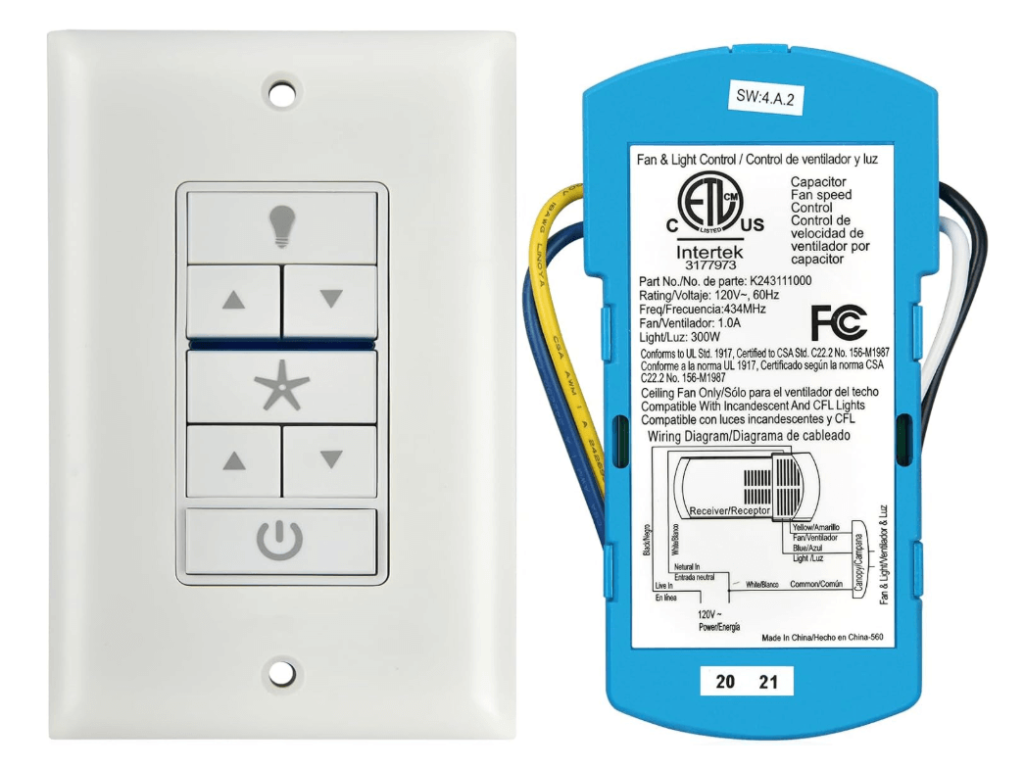
Wall Control for Hunter Fan 99373 99375
Check Price

A Detailed Comparison: Hunter 99373 vs 99375

While the model numbers may be different, the internal components, design, and user experience of these two products are identical. Here’s a breakdown of their shared features:

FeatureHunter 99373 Wall ControlHunter 99375 Wall Control
Product TypeUniversal Wall ControlUniversal Wall Control
Control Functions3 Fan Speeds, Fan Off, Light On/Off/Dimming3 Fan Speeds, Fan Off, Light On/Off/Dimming
Included ComponentsWall Control Unit, Receiver, Wall Plate, ScrewsWall Control Unit, Receiver, Wall Plate, Screws
CompatibilityUniversal (most Hunter fans and other brands)Universal (most Hunter fans and other brands)
ReceiverIdentical receiver unit for fan canopyIdentical receiver unit for fan canopy
Power SourceWall Control: 2 AAA BatteriesWall Control: 2 AAA Batteries
FCC IDOften shares the same FCC ID (IN2TX53)Often shares the same FCC ID (IN2TX53)
Physical AppearanceSame design, button layout, and colorSame design, button layout, and color

As the table shows, there are no functional or technical differences between the two. The distinction in the model number is a business practice, not a technical one.

Why Do They Have Different Model Numbers?

This is a common question for many consumers. In the retail and manufacturing world, a single product may be assigned multiple part or model numbers to serve different purposes. For the Hunter 99373 and 99375, this can be attributed to:

  • Retailer Variations: A product might have a unique number assigned for a specific retail partner (e.g., one number for an online retailer, another for a physical big-box store).
  • Date of Manufacturing: The numbers can also be used to track different production runs, even if no changes were made to the product itself.
  • Packaging Differences: The models may come in slightly different packaging or with different included instructions, leading to a new model number for cataloging.

The key takeaway for you is that you do not need to worry about the specific number. If you are replacing an old wall control or purchasing one for a new fan, either the 99373 or the 99375 will function exactly the same way.

Installation and Pairing: What to Expect

Both the 99373 and 99375 are designed for straightforward installation in a standard wall switch box. They are a convenient way to add wireless fan and light control without needing a remote control handset.

  • Wiring: The installation process involves wiring the included receiver unit into the fan’s canopy. The wall control unit itself is then wired into your existing wall switch box.
  • Pairing: After installation, the wall control must be paired with the receiver. This typically involves a power cycle and a specific button-press sequence to establish a connection. If you run into any trouble, you can consult our detailed guide on how to reprogram hunter fan remote for a step-by-step walkthrough.
  • Troubleshooting: If the remote isn’t working after installation, it’s often a simple fix. Common issues include weak batteries in the wall control or an incomplete pairing sequence. Our guide on Hunter Ceiling Fan Remote Not Working covers these troubleshooting steps in detail.

Conclusion and Where to Buy

When you see a Hunter 99373 vs 99375 comparison, the answer is simple: they are the same product. Both are reliable and easy-to-use universal wall controls that provide seamless fan and light operation. You can confidently choose either model based on availability and price.

If you are looking to purchase a new or replacement unit, you can find the Hunter 99375/99373 wall control here.

For any specific questions or further assistance, you can always contact Hunter Ceiling Fans Customer Service.
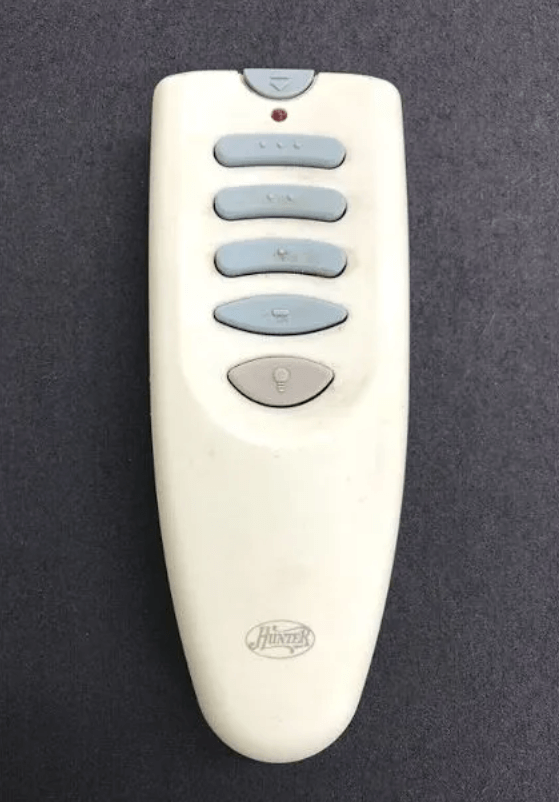
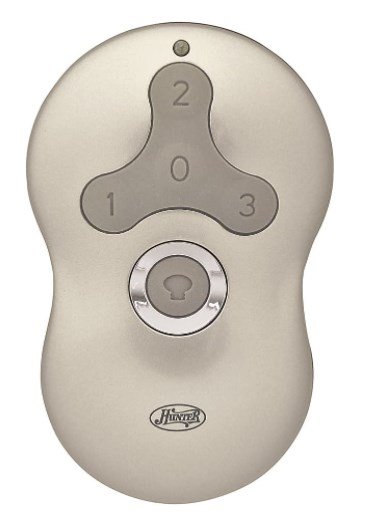
Filed Under: Hunter Ceiling Fan Parts

Hunter Fan Remote Battery Replacement

July 27, 2025 by admin 2 Comments

Replacing the battery in your Hunter fan remote is a simple maintenance task that can often resolve issues with your fan’s control. The key is to first identify your specific remote model, as the type of battery required can vary significantly. Once you have the correct replacement battery—ranging from common AAA batteries to specialized coin cells like the CR2032 or cylindrical A23s—the process is straightforward and can be completed in just a few minutes, restoring full, reliable control to your ceiling fan.

Hunter 85095 Ceiling Fan Remote Control

Why and When to Change Your Hunter Remote Battery

Remote controls are typically very reliable, but a dying battery can cause a range of frustrating issues. You should consider replacing the battery in your Hunter remote if you notice any of the following signs:

  • Intermittent Function: The remote works sometimes but not every time you press a button.
  • Dim or Unresponsive Indicator Light: The small LED on the remote (if it has one) appears faint or doesn’t light up at all when you press a button.
  • No Response: The remote is completely unresponsive, even when you are close to the fan.
  • Random Behavior: The fan or light turns on or off by itself.

While these issues can sometimes indicate a need to how to reprogram hunter fan remote, a new battery is always the first and easiest thing to check.

Step-by-Step Guide to Replacing Your Remote Battery

Follow these steps for a smooth battery replacement process.

Step 1: Identify Your Remote Model

Before you buy a new battery, you need to know which one to get. The model number is often located on the front of the remote or inside the battery compartment. Look for a small sticker or engraved number. This is crucial as a Hunter fan remote may use different battery types depending on the model.

Step 2: Determine the Correct Battery Type

Hunter remotes use a variety of batteries. Do not assume your remote uses a standard AAA or AA battery. Here are some common examples:

  • Hunter 99123 Remote: Uses a A23 battery.
  • Hunter 99122 Remote: Uses a CR2032 coin cell battery.
  • Hunter 99373 & 99375 Remotes (Wall Controls): Use AAA batteries.

Step 3: Open the Battery Compartment

Once you have the correct battery, locate the battery compartment door. It is usually a small panel on the back of the remote. You may be able to slide it open with your thumb, or you might need a small screwdriver or coin to pry it open or unscrew a small latch.

Step 4: Remove the Old Battery

Carefully remove the old battery. If it is a coin cell or A23, you might need a small flat-head screwdriver or a paperclip to gently pry it out. Pay attention to the orientation of the old battery so you know how to insert the new one correctly.

Step 5: Insert the New Battery

Insert the new battery into the compartment, making sure to match the polarity (+/-) to the markings inside the remote. A coin cell battery should be placed with the positive (+) side facing up. A cylindrical battery should align with the spring and flat end as marked. Close the battery compartment door securely.

Troubleshooting After Battery Replacement

If your remote still isn’t working after you’ve installed a new battery, don’t worry. It’s a common issue that the remote may have lost its programming.

  • Perform a Reset: Try performing a simple reset by removing and re-inserting the new battery after a minute. For more comprehensive steps, our guide on Hunter Fan Remote Reset is a great resource.
  • Reprogram the Remote: A new battery can sometimes cause the remote to lose its connection. You will need to re-pair it with the fan’s receiver. The steps for this vary by model, but our general guide on how to reprogram hunter fan remote covers the most common methods.

Where to Buy Replacement Batteries

Finding the right battery is the most important step. Standard sizes like AAA are available everywhere, but specialized batteries like the A23 or CR2032 are often best sourced from a reliable online retailer.

You can find all the common Hunter remote replacement batteries on Amazon.

Conclusion

Replacing the battery in your Hunter fan remote is a simple fix that can save you the hassle of a malfunctioning remote. By correctly identifying your remote model and the battery it requires, you can easily restore full functionality. If you’ve replaced the battery and are still having trouble, the issue may be a loss of programming, which can be quickly fixed with a simple re-pairing. For further troubleshooting, refer to our comprehensive guide on Hunter Ceiling Fan Remote Not Working.

Filed Under: Hunter Ceiling Fan Troubleshooting

Hunter 99123 Fan Remote Troubleshooting & Manual

July 22, 2025 by admin Leave a Comment

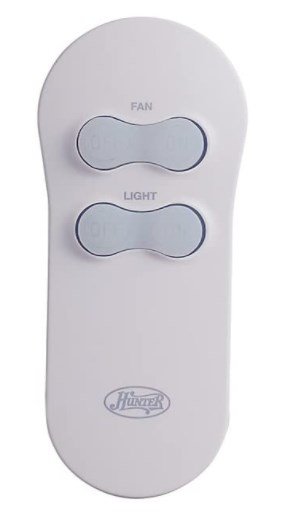
If your Hunter 99123 remote is unresponsive or acting erratically, it’s a common issue that often indicates a need for troubleshooting, re-pairing, or consulting its manual. This specific Hunter ceiling fan remote (model 99123) is a popular control unit, but like all electronics, it can encounter glitches. Rather than immediate replacement, understanding how to diagnose common problems, re-establish its connection with your fan, and access its manual for specific instructions can quickly restore full control over your ceiling fan and lighting.

Understanding Your Hunter 99123 Remote

The Hunter 99123 remote is designed for convenient control of your Hunter ceiling fan’s functions, typically including fan speed (low, medium, high), light control (on/off, dimming), and sometimes a fan off button. Its compact design and dedicated buttons aim for user-friendly operation. It’s crucial to understand that while the remote transmits signals, the fan’s receiver (located within the fan’s canopy at the ceiling) is what processes these commands. Issues often arise from a communication breakdown between these two components.

Hunter 99123 Indoor Ceiling Fan Universal Remote Control
Hunter 99123 Replacement Remote Control

When Your Hunter 99123 Remote Isn’t Working: Troubleshooting First

Before considering a replacement for your hunter 99123 remote, it’s essential to troubleshoot common issues. Many problems that appear to be a dead remote can often be resolved with simple steps. This addresses concerns about your hunter fan remote 99123 not working.

  1. Check and Replace Batteries: This is the most frequent cause of remote malfunction.
    • Open the battery compartment (usually on the back) of your hunter remote 99123.
    • Remove the old A23 battery (a small, cylindrical 12V battery).
    • Insert a fresh A23 battery, ensuring correct polarity. Even if you think the batteries are fresh, try a brand-new one to rule out a weak charge.
  2. Line of Sight and Obstructions:
    • Ensure there are no physical obstructions between the remote and the fan. Large furniture, walls, or even certain types of glass can interfere with the signal.
    • Move closer to the fan to test if range is an issue.
  3. Power Cycle the Fan: A simple power cycle can often clear minor communication glitches in the fan’s receiver.
    • Turn off the power to your ceiling fan at the circuit breaker for at least 30 seconds.
    • Turn the power back on.
    • Immediately attempt to use the remote to see if it responds.
  4. Check for Interference: Other wireless devices in your home (e.g., Wi-Fi routers, smart home hubs, other ceiling fan remotes) can sometimes cause signal interference.
    • Temporarily power off other nearby wireless devices to see if the hunter 99123 remote regains functionality.
  5. Perform a Remote Reset: For general remote issues, a reset can clear internal memory. While the 99123 typically doesn’t have a dedicated reset button, a battery removal and re-insertion (as done in step 1) often serves this purpose. For broader remote troubleshooting, you can refer to our guide on Hunter Fan Remote Reset.

How to Program (Pair) Your Hunter 99123 Remote

If troubleshooting doesn’t work, your hunter ceiling fan remote 99123 likely needs to be re-paired or programmed to your fan’s receiver. This process establishes a fresh, clear communication link.

  1. Ensure Power is OFF at the Breaker: Go to your home’s electrical panel and switch off the circuit breaker that controls the ceiling fan. Wait for at least 30 seconds to a full minute. This allows the fan’s receiver to fully discharge and reset.
  2. Restore Power to the Fan: Turn the circuit breaker back to the “ON” position.
  3. Initiate Pairing on the Remote: Within 60 seconds of restoring power to the fan, you must perform the pairing sequence on your hunter 99123 remote.
    • Press and hold down both the “FAN” button and the “LIGHT” button simultaneously on the remote.
    • Keep holding these buttons for approximately 3-5 seconds.
    • The fan’s light should blink (if applicable), or the fan itself may give a slight “jerk” or response, indicating successful pairing.
  4. Test All Functions: Immediately test all buttons on your remote: fan on/off, speed changes (low, medium, high), and light on/off/dimming. If everything works, your remote is successfully programmed.

Expert Tip: Timing is critical! If the remote doesn’t pair on the first try, repeat the process from Step 1, ensuring you adhere strictly to the 60-second window after restoring power. Sometimes, it takes a couple of attempts. For more general programming advice, see our comprehensive guide on how to reprogram hunter fan remote.

Advanced Troubleshooting for Your Hunter 99123 Remote

If your hunter fan remote 99123 troubleshooting efforts haven’t yielded success, it’s time to dig a bit deeper.

  • Check for Dip Switches (Rare for 99123 but Possible): While the 99123 primarily uses a ‘learn’ function, some Hunter fans, especially older models that might be retrofitted, could still have dip switches on the receiver inside the fan canopy.
    • If your fan’s receiver has dip switches, ensure they are set to a pattern that does not conflict with any other fan in the vicinity. If you set them to a new, unique pattern, you would then follow the ‘Learn’ button programming method again.
  • Receiver Malfunction: If the remote itself is proven to be working (e.g., by using it with another compatible fan, or if you’ve tried a new remote with the same fan and it also fails), the issue might lie with the fan’s receiver unit. A faulty receiver will prevent any remote from pairing. Replacing the receiver often requires professional help.
  • Unpairing Conflicts: If you’re attempting to pair a new remote and an old one is causing interference, you might need to explicitly how to unpair hunter fan remote any existing connections before attempting to program the 99123.

Where to Find Your Hunter Fan Remote 99123 Manual

Having the correct hunter fan remote 99123 manual is an important document for specific instructions designed for your remote and fan model.

Download Your Manual Directly: For immediate access to the Hunter 99123 remote manual, you can download the PDF directly by clicking this link: Download Hunter 99123 Remote Manual (PDF).

For more general remote issues and troubleshooting common problems like your hunter fan remote 99123 not working, you can refer to our comprehensive guide: Hunter Ceiling Fan Remote Not Working.

When to Consider a Replacement Hunter 99123 Remote

After exhausting all troubleshooting and programming steps, if your hunter 99123 remote still fails to operate your fan, it might genuinely be time for a replacement. This is typically indicated if:

  • You’ve confirmed new batteries, correct pairing attempts, and ruled out fan/receiver issues.
  • The remote has visible physical damage (e.g., water damage, broken buttons, cracks).
  • It functions intermittently or sends random commands.

When replacing, ensure you purchase an authentic Hunter 99123 replacement remote or a universally compatible remote specifically listed as working with Hunter fans that use the 99123 system.

Conclusion

Dealing with a hunter 99123 remote that isn’t cooperating can be frustrating, but with the right troubleshooting steps and programming knowledge, you can often restore full functionality. From a simple battery change to correctly performing the ‘learn’ button sequence, these methods empower you to keep your Hunter 99123 remote working seamlessly. Should you continue to face challenges, remember that Hunter offers excellent support, and their official manuals are a rich resource. For direct assistance, don’t hesitate to contact Hunter Ceiling Fans Customer Service.
Filed Under: Hunter Ceiling Fan Parts, Hunter Fan Manuals

How to Unpair Your Hunter Fan Remote

July 19, 2025 by admin Leave a Comment

Unpairing your Hunter fan remote disconnects its specific signal from your ceiling fan’s receiver, effectively breaking the communication link. This process is crucial when you’re replacing a lost or broken remote, installing a new fan where the old remote might interfere, or troubleshooting complex signal conflicts. While often less common than reprogramming, knowing how to properly unpair ensures you have full control over your fan’s wireless connections and can resolve issues where an unwanted remote is controlling your fan.

Why You Might Need to Unpair Your Hunter Fan Remote

While programming connects a remote, unpairing serves to break that link. There are several scenarios where you’ll want to unpair your Hunter fan remote:

  • Replacing a Remote: If your old remote is lost, broken, or simply malfunctioning, unpairing it ensures it doesn’t accidentally interfere with a new remote you plan to pair.
  • Troubleshooting Signal Conflicts: In homes with multiple Hunter fans or other wireless devices, sometimes remotes can interfere with each other. Unpairing a specific remote can help isolate and resolve these conflicts.
  • Removing or Replacing a Fan: If you’re removing an old fan or installing a different one, unpairing its existing remote ensures no lingering signals could inadvertently control new devices.
  • Unwanted Control: If a remote you don’t use or recognize seems to be controlling your fan, unpairing all current connections can resolve this.
  • Preparing for a Universal Remote: When setting up a new universal remote, you might need to clear any existing pairings on the fan’s receiver first to ensure a clean connection.

Understanding Hunter Remote Pairing

To effectively unpair, it helps to understand how Hunter remotes connect. Generally, Hunter fans use two main types of pairing systems:

  • Dip Switches: Older Hunter fan models (typically manufactured before [2000]) utilize a series of small physical switches, called dip switches, located inside both the remote’s battery compartment and the fan’s receiver unit (up in the canopy). The fan and remote communicate only when these switches are set to an identical pattern.
  • ‘Learn’ Button or Auto-Pairing: Newer Hunter fan models (from approximately [2020] onwards) often feature a ‘learn’ button on the fan’s receiver or an auto-pairing function. This system eliminates physical switches, allowing the remote and receiver to electronically establish a unique connection.

Knowing which system your fan uses will guide you to the correct unpairing method.

Methods to Unpair Your Hunter Fan Remote

Unpairing can be achieved through a few different methods, depending on your Hunter fan model and remote type. Always begin by turning off the power to your fan at the circuit breaker for safety.

Method 1: Overwriting with a New Remote (Implicit Unpairing)

This is the most common form of “unpairing” when you are replacing an existing remote with a new one. When a new remote is successfully programmed to the fan’s receiver, it typically overwrites the previous pairing.

  1. Cut Power to Fan: Turn off the circuit breaker for your fan for at least 30 seconds.
  2. Restore Power: Turn the circuit breaker back on.
  3. Program New Remote: Immediately follow the programming instructions for your new remote (e.g., press and hold the ‘Learn’ button on the new remote within 60 seconds, or set dip switches on the new remote to match the receiver).
  4. Verify: Once the new remote is working, the old remote should no longer control the fan.

Method 2: Changing Dip Switches (For Older Models)

If your fan and remote use dip switches, you can effectively “unpair” a specific remote by changing its code.

  1. Cut Power to Fan: Turn off the circuit breaker for your fan.
  2. Access Remote Dip Switches: Open the battery compartment of the remote you wish to unpair.
  3. Change Code: Change the pattern of the dip switches on the remote to any combination that does not match the current setting on the fan’s receiver.
  4. Restore Power: Turn the circuit breaker back on. The remote should now be unpaired from the fan.
  5. Optional: Change Receiver Code: For a complete system “unpair,” you can also access the receiver’s dip switches (in the fan’s canopy) and change their pattern. Remember that any remote you wish to use with this fan in the future will need to be reprogrammed to match this new receiver code.

Method 3: Extended Power Cycle (For Learn Button Models)

For some newer Hunter models using a ‘learn’ button, an extended power cycle can sometimes clear the receiver’s memory, effectively unpairing any connected remotes.

  1. Cut Power to Fan: Turn off the circuit breaker for your fan.
  2. Wait for Several Minutes: Leave the power off for an extended period, perhaps 5-10 minutes, to ensure the receiver’s memory is fully cleared.
  3. Restore Power: Turn the circuit breaker back on. The receiver’s memory should now be clear of previous pairings.
  4. Verify: Attempt to use the old remote; it should no longer control the fan. If you wish to use a remote, you will need to learn how to reprogram hunter fan remote.

What Happens After Unpairing?

After successfully unpairing, the fan will no longer respond to the specific remote you’ve disconnected. If no other remote is paired, the fan might only be controllable via a wall switch (if installed) or a pull chain. For safety reasons, it’s generally best practice to ensure at least one working control method is available for your fan. If you need to re-establish control, you will need a suitable remote.

Troubleshooting Unpairing Issues

If you’re having trouble unpairing a remote or your fan is still responding to an unwanted remote, consider these points:

  • Confirm Power Cycle: Ensure you’re cutting power at the main circuit breaker for the fan, not just a wall switch, for the required duration.
  • Access All Remotes: If multiple remotes were ever paired, you might need to try unpairing methods on all of them.
  • Check for Universal Remotes: Sometimes, a universal remote in the vicinity (even from a neighbor) might be inadvertently controlling your fan.
  • Receiver Issue: In rare cases, the fan’s receiver might be malfunctioning and not properly clearing its memory.
  • Consult Fan Manual: Always refer to your specific Hunter fan model’s manual for precise unpairing instructions, as procedures can vary.
  • Further Troubleshooting: If the fan itself is misbehaving beyond remote control, our guide on Hunter Ceiling Fan Remote Not Working might offer additional insights into general fan troubleshooting.

When to Seek Professional Help

While unpairing is a DIY-friendly task, there are times when it’s safer and more efficient to call a professional electrician or contact Hunter’s support:

  • Electrical Concerns: If you are uncomfortable working with circuit breakers or accessing the fan’s canopy due to electrical wiring, always consult a licensed electrician.
  • Persistent Interference: If, despite unpairing and reprogramming, you continually face signal interference, a professional can diagnose complex electrical or frequency issues.
  • Damaged Components: If you suspect the remote, receiver, or fan wiring is physically damaged, professional assessment is recommended.

For further assistance, don’t hesitate to contact Hunter Ceiling Fans Customer Service.

Conclusion: Master Your Fan’s Connections

Understanding how to unpair your Hunter fan remote gives you complete control over your ceiling fan’s wireless ecosystem. Whether you’re making replacements, addressing interference, or simply performing maintenance, these methods empower you to effectively disconnect remote signals. By combining this knowledge with the ability to Hunter Fan Remote Reset and how to reprogram hunter fan remote, you’re well-equipped to manage all aspects of your Hunter ceiling fan’s remote functionality, ensuring optimal comfort and convenience in your home.

Filed Under: Hunter Ceiling Fan Troubleshooting

How to Install Hunter Low Profile Ceiling Fan

July 16, 2025 by admin Leave a Comment

Installing a Hunter low profile ceiling fan involves securely mounting the fan to a ceiling electrical box, correctly wiring it to your home’s electrical system, and assembling the fan components. Unlike standard fans with a downrod, low profile (or “hugger”) fans sit flush against the ceiling, making them ideal for rooms with ceilings lower than 8 feet. The process requires careful attention to electrical safety and following manufacturer instructions, but it’s a manageable DIY project for those comfortable with basic home wiring.

Why Choose a Low Profile Fan?

Hunter low profile ceiling fans, often called “hugger” fans, are specifically designed to be mounted flush against the ceiling. This design makes them an excellent choice for rooms with lower ceiling heights, typically 8 feet or less, where a standard fan with a downrod would hang too low and potentially pose a hazard.

Beyond safety, low profile fans offer several benefits:

  • Space-Saving Design: They free up overhead space, making rooms feel more open and less cluttered.
  • Enhanced Safety: Reduces the risk of accidental contact with fan blades in rooms with limited vertical clearance.
  • Modern Aesthetics: Their sleek, compact design often complements contemporary interior styles.
  • Effective Air Circulation: Despite their compact size, Hunter low profile fans are engineered to provide efficient airflow, ensuring comfortable temperatures in smaller spaces.

Choosing a low profile fan ensures both functionality and safety in homes where traditional ceiling fans aren’t a practical option.

Before You Begin: Essential Safety & Preparation

Proper preparation and adherence to safety protocols are paramount when installing any ceiling fan. Taking these crucial steps beforehand will ensure a safe and successful installation of your Hunter low profile fan.

Gather Your Tools & Materials

Having all necessary items within reach will streamline the installation process:

  • Hunter Low Profile Ceiling Fan Kit: Ensure all parts are present.
  • Step Ladder: Stable and tall enough to comfortably reach your ceiling.
  • Screwdrivers: Phillips head and flat head.
  • Wire Strippers/Cutters: For preparing electrical wires.
  • Voltage Tester (Non-Contact Preferred): Essential for verifying power is off.
  • Pliers: For twisting wires.
  • Electrical Tape: For securing wire connections.
  • Wire Nuts: Typically included with the fan, but good to have spares.
  • Safety Glasses: To protect your eyes from debris.

Safety First: Crucial Precautions

Never underestimate the importance of electrical safety. Follow these critical precautions:

  • Turn Off Power at the Breaker: Locate your home’s main electrical panel and flip the circuit breaker that controls the ceiling fan’s wiring to the “OFF” position. Tag the breaker to prevent accidental re-energizing.
  • Verify Power is Off: Use your non-contact voltage tester to confirm that no power is running through the wires at the ceiling outlet box. Touch the tester to each wire you intend to work with.
  • Work with a Helper: For stability on the ladder and handling the fan’s weight, having a second person is highly recommended.
  • Read the Manual: Always refer to the specific installation manual included with your Hunter low profile ceiling fan model. Manufacturers’ instructions can vary.

Check Your Ceiling Electrical Box

Your ceiling electrical box must be rated to support the weight of a ceiling fan. A standard light fixture box may not be sufficient.

  • Fan-Rated Box: Ensure your existing ceiling box is clearly marked “Acceptable for Fan Support” or “For Fan Support.” If not, you must replace it with a fan-rated electrical box, which is designed to withstand the fan’s weight and vibration. This might involve additional structural support in the ceiling.
  • Secure Mounting: A wobbly or improperly secured electrical box can lead to safety hazards and fan instability.

Unpack and Identify Parts

Carefully unbox your Hunter low profile fan and lay out all components. Identify the mounting bracket, motor housing, blades, light kit (if applicable), and remote control receiver (if included). This helps you visualize the assembly process and ensures no parts are missing.

Step-by-Step Installation Guide

With safety measures in place and tools ready, you can now proceed with installing your Hunter low profile ceiling fan.

Step 1: Turn Off Power

As emphasized, this is the most critical first step.

  • Locate the circuit breaker controlling the fan’s power.
  • Flip the breaker to the “OFF” position.
  • Use a voltage tester to confirm no power is present at the ceiling wires.

Step 2: Remove Old Fixture (If Applicable)

If replacing an existing light fixture or fan:

  • Carefully disconnect the wiring from the old fixture.
  • Unscrew and remove the old mounting bracket or fixture base.
  • Ensure the existing electrical box is fan-rated before proceeding.

Step 3: Install the Mounting Bracket

The mounting bracket is the foundation for your new fan.

  • Align the holes in the Hunter mounting bracket with the screw holes in the ceiling electrical box.
  • Secure the bracket firmly to the ceiling box using the screws provided with the fan or those approved for fan installation. Ensure it’s snug and doesn’t wiggle.

Step 4: Wire the Fan

This step requires careful attention to color-coding and secure connections.

  • Identify Wires: You will typically see black (hot), white (neutral), and bare copper or green (ground) wires coming from your ceiling. Your Hunter fan will have corresponding wires.
  • Connect Ground Wires: Connect the bare copper or green ground wire from the ceiling to the green or bare copper ground wire from the fan’s mounting bracket and/or fan itself, using a wire nut.
  • Connect Neutral Wires: Connect the white (neutral) wire from the ceiling to the white (neutral) wire from the fan (or its receiver), using a wire nut.
  • Connect Hot Wires: Connect the black (hot) wire from the ceiling to the black (hot) wire from the fan (or its receiver), using a wire nut. If your fan has a separate wire for the light (often blue), connect it to a separate hot wire from the ceiling if you have independent light control.
  • Secure Connections: Twist wire nuts tightly, then wrap electrical tape around each connection, extending slightly over the wire nut and onto the wire insulation, for added security.
  • Tuck Wires: Carefully tuck all connected wires up into the ceiling electrical box, ensuring they are not pinched or damaged.

Expert Tip: If your fan includes a remote control receiver, you’ll typically wire the house wires to the receiver, and then the receiver’s output wires to the fan. Always follow the receiver’s specific wiring diagram precisely.

Step 5: Secure the Motor Housing

Now, attach the main body of the fan to the mounting bracket.

  • Carefully lift the fan motor housing and align its keyhole slots (or mounting holes) with the screws on the mounting bracket.
  • Slide the fan housing onto the screws and rotate it until it drops securely into the narrower part of the keyhole slots.
  • Tighten the mounting screws to fully secure the fan to the bracket. Ensure the fan is stable and flush against the ceiling.

Step 6: Attach Fan Blades

This step is typically straightforward.

  • Attach each fan blade to its blade iron (if separate) using the screws provided.
  • Then, attach the blade irons to the motor housing using the designated screws.
  • Tighten all screws securely, but do not overtighten, which could strip the screws or damage the blades.

Step 7: Install Light Kit and Glass (If Applicable)

If your Hunter low profile fan includes a light kit:

  • Connect the light kit’s wires to the corresponding wires from the fan motor (usually blue to blue, white to white).
  • Secure the light kit to the bottom of the motor housing as per your fan’s instructions.
  • Install the light bulbs.
  • Attach the glass shade or cover, twisting or clipping it into place.

Step 8: Test the Fan

Once all components are securely installed:

  • Return to your electrical panel and flip the circuit breaker back to the “ON” position.
  • Test all fan functions: turn it on/off, adjust speeds, and operate the light (if applicable).
  • If using a remote, how to reprogram hunter fan remote it to your fan after power is restored.

Troubleshooting Common Installation Issues

Even with careful installation, minor issues can arise. Here’s quick troubleshooting:

  • Fan Doesn’t Turn On: Recheck the circuit breaker. Use your voltage tester to confirm power at the ceiling wires. Re-examine all wire connections for tightness.
  • Fan Wobbly/Noisy: Ensure all mounting bracket screws and blade screws are tightened. Check for any loose wiring touching the housing.
  • Light Not Working: Check bulbs, wiring connections for the light kit, and ensure the light switch (if separate) is on.
  • Remote Not Working: Ensure fresh batteries. Refer to Hunter Fan Remote Reset and how to reprogram hunter fan remote for detailed steps.

Important Considerations for Low Profile Fans

  • Airflow: While efficient, ensure your low profile fan is sized appropriately for your room to maximize airflow given its flush mount.
  • Maintenance: Regularly clean blades and housing to prevent dust buildup, which can affect performance and potentially cause noise.

When to Call a Professional

While installing a Hunter low profile ceiling fan is a common DIY project, never hesitate to call a licensed electrician if you encounter any of the following:

  • No Fan-Rated Box: If your ceiling box is not fan-rated and you’re unsure how to replace it or add structural support.
  • Complex Wiring: If your existing wiring is old, complex, or you are unsure about any connections.
  • Persistent Electrical Issues: If you experience flickering lights, tripping breakers, or any other electrical abnormalities after installation.
  • Uncomfortable with Electricity: If you simply don’t feel confident working with your home’s electrical system.

Your safety is paramount. For further assistance or general inquiries, you can always reach out to Hunter Ceiling Fans Customer Service.

Conclusion: Enjoy Your New Low Profile Fan

Installing a Hunter low profile ceiling fan can significantly enhance the comfort and aesthetics of rooms with lower ceilings. By meticulously following safety precautions, preparing your tools, and working through each step of the installation process, you can successfully set up your new fan. With its sleek design and efficient air circulation, your newly installed Hunter low-profile fan will provide years of quiet, comfortable operation.

Filed Under: Hunter Ceiling Fan Troubleshooting

  • « Previous Page
  • 1
  • 2
  • 3
  • 4
  • …
  • 27
  • Next Page »


Best Hunter Ceiling Fans

Bestseller No. 1 Hunter 59244 Dempsey Ceiling Fan 44 inches Fresh White
Hunter 59244 Dempsey Ceiling Fan 44 inches Fresh White
Check Price
Bestseller No. 2 Hunter 53090 Builder Deluxe Ceiling Fan 52 inches Brushed Nickel
Hunter 53090 Builder Deluxe Ceiling Fan 52 inches Brushed Nickel
Check Price
Bestseller No. 3 Hunter Fan Company Fan Builder Elite Indoor Ceiling Fan with Pull Chain Control, Metal, New...
Hunter Fan Company Fan Builder Elite Indoor Ceiling Fan with Pull Chain Control, Metal, New...
Check Price

Recent Posts

  • Hunter Ceiling Fan Remote Control Manual
  • Hunter Ceiling Fan Flickering Lights: Causes and Fixes
  • Hunter vs Kichler Ceiling Fans — The Ultimate Battle for Your Ceiling
  • Hunter Fan Company Phone Number & Contact Information (Official Guide)
  • Hunter HVLS Fans: The Definitive Guide to High-Volume, Low-Speed Airflow
  • Hunter 99373 vs 99375: What’s the Difference Between These Remotes?
  • Hunter Fan Remote Battery Replacement
  • Hunter 99123 Fan Remote Troubleshooting & Manual
  • How to Unpair Your Hunter Fan Remote
  • How to Install Hunter Low Profile Ceiling Fan

Legal Information

This site is owned and operated by HunterCeilingfans. Hunter ceiling fans is a participant in the Google Adsense Program, an advertising program designed to provide a means for sites to earn advertising fees by displaying related advertisements.

Hunter ceiling fans also is a participant in Amazon Associates Program. “As an Amazon Associate, I earn from qualifying purchases.”

Hunter ceiling fan is compensated for referring traffic to these companies. Hunter ceiling fans is an independent site with no connections to Hunter and is operated entirely by independent volunteers and writers to provide information.

We are not the manufacturer of Hunter Ceiling Fans, nor are we associated with Hunter in any way. We are a third-party resource website that tries to help site visitors to find valuable information.

Categories

  • Discontinued Hunter Ceiling Fans
  • Hunter Ceiling Fan Parts
  • Hunter Ceiling Fan Reviews
  • Hunter Ceiling Fan Support
  • Hunter Ceiling Fan Troubleshooting
  • Hunter Ceiling Fans
  • Hunter Fan Manuals

Partners

Harbor Breeze