Unpairing your Hunter fan remote disconnects its specific signal from your ceiling fan’s receiver, effectively breaking the communication link. This process is crucial when you’re replacing a lost or broken remote, installing a new fan where the old remote might interfere, or troubleshooting complex signal conflicts. While often less common than reprogramming, knowing how to properly unpair ensures you have full control over your fan’s wireless connections and can resolve issues where an unwanted remote is controlling your fan.
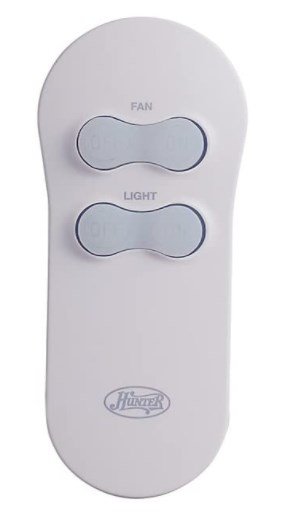
Why You Might Need to Unpair Your Hunter Fan Remote
While programming connects a remote, unpairing serves to break that link. There are several scenarios where you’ll want to unpair your Hunter fan remote:
- Replacing a Remote: If your old remote is lost, broken, or simply malfunctioning, unpairing it ensures it doesn’t accidentally interfere with a new remote you plan to pair.
- Troubleshooting Signal Conflicts: In homes with multiple Hunter fans or other wireless devices, sometimes remotes can interfere with each other. Unpairing a specific remote can help isolate and resolve these conflicts.
- Removing or Replacing a Fan: If you’re removing an old fan or installing a different one, unpairing its existing remote ensures no lingering signals could inadvertently control new devices.
- Unwanted Control: If a remote you don’t use or recognize seems to be controlling your fan, unpairing all current connections can resolve this.
- Preparing for a Universal Remote: When setting up a new universal remote, you might need to clear any existing pairings on the fan’s receiver first to ensure a clean connection.
Understanding Hunter Remote Pairing
To effectively unpair, it helps to understand how Hunter remotes connect. Generally, Hunter fans use two main types of pairing systems:
- Dip Switches: Older Hunter fan models (typically manufactured before [2000]) utilize a series of small physical switches, called dip switches, located inside both the remote’s battery compartment and the fan’s receiver unit (up in the canopy). The fan and remote communicate only when these switches are set to an identical pattern.
- ‘Learn’ Button or Auto-Pairing: Newer Hunter fan models (from approximately [2020] onwards) often feature a ‘learn’ button on the fan’s receiver or an auto-pairing function. This system eliminates physical switches, allowing the remote and receiver to electronically establish a unique connection.
Knowing which system your fan uses will guide you to the correct unpairing method.
Methods to Unpair Your Hunter Fan Remote
Unpairing can be achieved through a few different methods, depending on your Hunter fan model and remote type. Always begin by turning off the power to your fan at the circuit breaker for safety.
Method 1: Overwriting with a New Remote (Implicit Unpairing)
This is the most common form of “unpairing” when you are replacing an existing remote with a new one. When a new remote is successfully programmed to the fan’s receiver, it typically overwrites the previous pairing.
- Cut Power to Fan: Turn off the circuit breaker for your fan for at least 30 seconds.
- Restore Power: Turn the circuit breaker back on.
- Program New Remote: Immediately follow the programming instructions for your new remote (e.g., press and hold the ‘Learn’ button on the new remote within 60 seconds, or set dip switches on the new remote to match the receiver).
- Verify: Once the new remote is working, the old remote should no longer control the fan.
Method 2: Changing Dip Switches (For Older Models)
If your fan and remote use dip switches, you can effectively “unpair” a specific remote by changing its code.
- Cut Power to Fan: Turn off the circuit breaker for your fan.
- Access Remote Dip Switches: Open the battery compartment of the remote you wish to unpair.
- Change Code: Change the pattern of the dip switches on the remote to any combination that does not match the current setting on the fan’s receiver.
- Restore Power: Turn the circuit breaker back on. The remote should now be unpaired from the fan.
- Optional: Change Receiver Code: For a complete system “unpair,” you can also access the receiver’s dip switches (in the fan’s canopy) and change their pattern. Remember that any remote you wish to use with this fan in the future will need to be reprogrammed to match this new receiver code.
Method 3: Extended Power Cycle (For Learn Button Models)
For some newer Hunter models using a ‘learn’ button, an extended power cycle can sometimes clear the receiver’s memory, effectively unpairing any connected remotes.
- Cut Power to Fan: Turn off the circuit breaker for your fan.
- Wait for Several Minutes: Leave the power off for an extended period, perhaps 5-10 minutes, to ensure the receiver’s memory is fully cleared.
- Restore Power: Turn the circuit breaker back on. The receiver’s memory should now be clear of previous pairings.
- Verify: Attempt to use the old remote; it should no longer control the fan. If you wish to use a remote, you will need to learn how to reprogram hunter fan remote.
What Happens After Unpairing?
After successfully unpairing, the fan will no longer respond to the specific remote you’ve disconnected. If no other remote is paired, the fan might only be controllable via a wall switch (if installed) or a pull chain. For safety reasons, it’s generally best practice to ensure at least one working control method is available for your fan. If you need to re-establish control, you will need a suitable remote.
Troubleshooting Unpairing Issues
If you’re having trouble unpairing a remote or your fan is still responding to an unwanted remote, consider these points:
- Confirm Power Cycle: Ensure you’re cutting power at the main circuit breaker for the fan, not just a wall switch, for the required duration.
- Access All Remotes: If multiple remotes were ever paired, you might need to try unpairing methods on all of them.
- Check for Universal Remotes: Sometimes, a universal remote in the vicinity (even from a neighbor) might be inadvertently controlling your fan.
- Receiver Issue: In rare cases, the fan’s receiver might be malfunctioning and not properly clearing its memory.
- Consult Fan Manual: Always refer to your specific Hunter fan model’s manual for precise unpairing instructions, as procedures can vary.
- Further Troubleshooting: If the fan itself is misbehaving beyond remote control, our guide on Hunter Ceiling Fan Remote Not Working might offer additional insights into general fan troubleshooting.
When to Seek Professional Help
While unpairing is a DIY-friendly task, there are times when it’s safer and more efficient to call a professional electrician or contact Hunter’s support:
- Electrical Concerns: If you are uncomfortable working with circuit breakers or accessing the fan’s canopy due to electrical wiring, always consult a licensed electrician.
- Persistent Interference: If, despite unpairing and reprogramming, you continually face signal interference, a professional can diagnose complex electrical or frequency issues.
- Damaged Components: If you suspect the remote, receiver, or fan wiring is physically damaged, professional assessment is recommended.
For further assistance, don’t hesitate to contact Hunter Ceiling Fans Customer Service.
Conclusion: Master Your Fan’s Connections
Understanding how to unpair your Hunter fan remote gives you complete control over your ceiling fan’s wireless ecosystem. Whether you’re making replacements, addressing interference, or simply performing maintenance, these methods empower you to effectively disconnect remote signals. By combining this knowledge with the ability to Hunter Fan Remote Reset and how to reprogram hunter fan remote, you’re well-equipped to manage all aspects of your Hunter ceiling fan’s remote functionality, ensuring optimal comfort and convenience in your home.
Leave a Reply